Nanette Miner—The Succession Blueprint: Build a Leadership Bench Before You Need One


If your top leader walked out tomorrow, who on your team is ready to step into the seat?
In this episode of the Business Builder's Playbook, host David Bush sits down with Nanette Miner, Ed.D., a succession planning expert with 35 years in learning and development and a doctorate in adult learning theory. Nanette works with companies of 100 to 700 employees, and she has watched too many of them wait until a job opens before they think about who should fill it. She explains why that is already too late and what to do years ahead of the vacancy.
David brings the sports view: every great team has a bench of players who practice with the starters all season, so they are ready when the call comes. He also shares the four-question rule his own team uses before any conflict conversation.
Here's what you'll learn by watching or listening to this full episode:
- Why the best time to start building your leadership bench was 8 to 10 years ago, and the second best time is today.
- How to tell a replacement leader from a future leader, and why promoting whoever has the most tenure leaves you with no strategy at all.
- How to work backward from your 5-year company goals to decide which leaders you will need and when to start preparing them.
- How to run a flip chart exercise with your C-suite to name the 8 to 10 leadership behaviors that define your culture.
- How to build career paths that show new hires a 20-year route to the CEO seat, and what happened when one client's recruiting table got mobbed.
- How to use lateral moves through three departments so your future leaders understand how the whole company makes and spends money.
- How to pull your HR numbers (employee ages, tenure, and turnover) to see whether your pipeline is already in crisis.
- How to build leadership skills on a small budget with reading groups, a CEO Circle lunch, and paid volunteer hours with a professional association.
- Why 80% of companies that want to sell never do, and why a buyer is really paying for your leadership team.
- How to use David's four questions (what happened, what you wanted to happen, what's missing, and what's next) to separate the facts from the story before any conflict conversation.
Transcription: Ep49 Nanette Miner - full episode.mp3
Date: 11/7/2026, 5:39 PM
Duration: 3631.4s
Processing Time: 65.9s
Confidence: 97.1%
---
[0:00] Nanette Miner: And so that is my mission to help any size company, honestly, start a methodical mission, process of getting their next leaders prepared and adequately prepared, because we can't put them into leadership roles and then say, figure it out or sink or swim. We don't have, financially, we don't have the ability to do that, and we don't even have enough personnel to do that because, again, we're in a smaller generation.
[0:24] David Bush: Welcome to the Business Builders Playbook, the show that breaks down the systems and strategies behind predictable revenue growth to win in business. In each episode, we're diving into the proven strategies that separate the winners who scale from the losers who fail. This show is sponsored by BDR.ai, the AI-powered business development platform that automates your outbound prospecting so you can focus in on closing deals instead of chasing leads. Let's get started.
[0:52] David Bush: Hey, welcome, everybody. Glad that you're here today. I am so excited to be able to have this conversation with you. For those of you that don't know me, like me, or trust me, after this session, you will, because we are going to deliver a ton of value on the topic of the succession blueprint: how to build a leadership bench before you need one. I'm David Bush from bdr.ai, and I'm joined by the amazing Nanette Miner. Nanette, thank you so much for joining us for this conversation. I know your schedule's packed and you broke away some time to be able to have this conversation. And for that, we are all super thankful. Thanks for having me, David. Well, you have spent decades being able to refine and perfect this concept around building a succession blueprint. And I'd like for everybody just to get a little bit of your background from your own words. What has brought you to this point where you have this passion around helping organizations and leaders to build out their leadership bench before they need one, not after, before they need one. What's driven you to do that?
[1:56] Nanette Miner: Ugh, there's so many tentacles to that answer.
[2:03] Nanette Miner: As you said, I've been in business for decades, 35 years. I started in learning and development and started by doing instructional design for companies, custom instructional design, meaning I designed a training program that they were going to deliver. I never did the delivery. I just conceptualized it and designed the materials and the scripts and those kinds of things. Loved doing that for a long, long time. Was one of the first people to do synchronous learning, which is what Zoom is. B basasicallyically, people in real time together, but not having to be in the same room, which was a huge advancement for a lot of companies. You know, didn't have to schedule a room and take people off their calendars and pay for travel and all those kinds of things. And then around 12015, after working with I don't know how many Fortune 500 companies and smaller firms and seeing how they were doing their leadership development, around 2015, the U.S. Census came out and said that all the boomers were going to be out of workforce by 2030. And that really hit me hard because I know how hard it is to develop a behavior in someone, which is what training really is. Training is really a misnomer because training is more a technical thing. Like I'm going to show you how to operate a forklift or run a cash register. I can use the checklist and ensure that, yes, you can do those things. But to say that we're going to train someone in leadership skills is a misnomer because it's really a behavior. And I mean, you know it when you see it, but how do you develop those things? I always like to say it's like teaching your baby manners. I mean, you start young and you just keep reinforcing it for a long, long time, right? Um, so the first aha moment I had was: Oh my gosh, 15 years is not long enough to teach young people the leadership behaviors that they need. And when they said that the boomers were going to be out of the workforce, I realized that Gen X was not the viable next generation because Gen X, you've seen all the studies that they've done about generations in the workplace, right? Gen X is a much more independent generation. They were the first latchkey kids. They're great at
[4:08] Nanette Miner: Production, you tell me what I need or what you need when to when you need it by, and I will get it done. But they're, but they don't really want to play in a team and they don't want to lead a team. And they also weren't prepared to do that because I think that boomer generation was so big that when one boomer retired, they were just replaced with another boomers. And nobody thought.
[4:28] Nanette Miner: Should we get the next generation ready? Right. So, Gen X was completely overlooked in terms of leadership development training and giving them opportunities for leadership as well. And so, I was, as I said, been doing instructional design for a long time. I was kind of getting exhausted by it. This was this census announcement was a real alarm for me, and me realizing that companies were really, if they were doing leadership training, we're doing it wrong. They were either waiting until they promoted someone to a leadership role and then basically said, Now we need you to change your behavior, which is mean and also impossible because you've just given them a new functional responsibility. So, where do you want them to put their priorities? Making the function that you just put him in charge of run successfully, or developing their leadership skills? They both take a lot of time. Or they would put everybody in, as I said earlier, or alluded to earlier, the same training class. Like, let's teach everybody feedback skills, or everybody conflict management, or everybody, you know, how to read a PL, and not everybody needs all those skills. And the hardest thing about teaching a skill to get someone to change their behavior is
[5:36] Nanette Miner: They need immediate application. And so, if I don't need to read a PL for the next three months, by the time it becomes my job, I don't remember anything I learned in a training class. So, leadership development is an entirely different animal. It's a long process, it's behavioral change. It takes experiences. It takes reflection, which is how adults learn. I happen to have a doctorate in adult learning theory. So a lot of what we do in the workplace is based on like elementary or secondary education where we put everybody in a room and we teach them the same thing and we ask them to regurgitate it and boom, we say you're trained. But I want to know that you can do it on the job. I want to know that you actually understood why you're doing it, you've made a thoughtful decision to carry something out, and you've got a rationale for it, and you've got a reason to stay the course and not go, oh, that's bad idea. I'm going to switch to something else. So, just all those things kind of came together in 2015. And I thought we have a real leadership crisis coming at us quickly. At that time, I thought 15 years was not enough. Then the pandemic hit, and a lot of boomers left because of that. And so we promoted a lot of people who were not prepared for leadership roles. And so it just became my next passion. It's like we've got to get young people prepared. It is not an easy process. It's not a fast process. It can be done. And we have to start now. And so that is my mission to help any size company, honestly, start a methodical mission process of getting their next leaders prepared and adequately prepared because we can't put them into leadership roles and then say, figure it out or sink or swim. We don't have financially, we don't have the ability to do that. And we don't even have enough personnel to do that because, again, we're in a smaller generation.
[7:15] Nanette Miner: We don't have a say, we can't say, oh, well, you didn't work out. We'll go to the next leader because it's just not a bunch of leaders waiting in the wings. Yeah. That was the short answer
[7:25] David Bush: That's great. Wow, it was good to hear your background and just be able to let everybody know kind of the journey that you've been on and the passion that you have about this particular topic. And, you know, I know that there's a lot of people out there right now that are the simple thing that they're thinking about is, yeah, I understand the net, but not right now. There's too many other things, too many irons in the fire. So, this is probably going to be the most pivotal question of this entire QA, but why right now? Why start the process today? What are the consequences if they don't? And what are the benefits if they do?
[8:02] Nanette Miner: So you know that old proverb, the best time to plant a tree was 20 years ago and the second best time is today. You really should have started this eight to 10 years ago. It's the number one question I get is when should I start? I'm like, well, you should have started. Like it's already in the past, but any, I mean, just get started is great as well because you're still well ahead of most companies. You want to start because it's a behavioral change and it's hard to change people's behavior.
[8:25] Nanette Miner: It's like saying to somebody, you need to be nicer, or, you know, you should talk to your employees better. What does that mean? What does that look like? I like, what's the, you have to have to give me the image of that and let me practice it and give me feedback. And now you're doing that at scale with how many people, people who have not been given any of those lessons. Again, it's like teaching your baby manners. You don't wait until they're 10 and then teach them to use a fork or to say please and thank you. You start before they're verbal, and you just keep reinforcing that. And hopefully, you know, in 20 years, you've got a well-mannered young adult. But there's no guarantee of that either, right? But I have a tagline for my company, which is leadership from day one. Let's just start teaching leadership skills the minute somebody walks in the door so that when you do promote them, they're ready, or they've at least got the behavioral side of it down. Now they only have to worry about the functional side, which is new to them, because they already know how to have conversations, how to conduct themselves in meetings, how to read the financial statements, why marketing does what it does. I mean, one of the things that
[9:28] Nanette Miner: Astounds me all the time is how many people work in a company that, you know, individuals that I've spoken with who don't really understand what their company does. Like, how does it make money? How much money does it keep? Who are your customers? Who are you? Who is your competition? They're just doing jobs, and I think that's a huge failing of the company. That should be the number one thing you teach. I'm like, you know, day three. It's why are we here as a company? And why are you here to help us, you know, continue our mission? So, the benefit is to have people ready when openings appear, instead of scrambling and going, oh no, how do we fill that vice president of whatever job? And that's when companies think, oh my gosh, I have to, you know, have to hire somebody from outside. And I guarantee you, hiring someone from outside is way more expensive than bringing somebody up from within, especially if you're a small company, because then you're only competing on price, right? Because a bigger company is going to lure someone away simply because they can offer a higher salary. And if you can't offer that higher salary, what is your leverage? Either you're going to get the second or the third best person or the 17th best person, who knows, or you're going to, you know, say, I have to keep up, and you're going to keep your expenses going up when you're not really getting more a quality employee. A quality employee comes up through your organization, understands your company's vision, mission, goals, knows how it makes money, knows how it keeps money, knows who your customers are, knows how to behave like a leader in your organization because that's how you taught them to behave. And you've got a perfect specimen of a leader, and also someone who understands how the whole business runs? I kind of went off on a sideline there that I didn't, I didn't actually make a link to what I'm about to say, but one of the things that companies do woefully wrong is they don't immerse up and coming leaders in the whole company. So, what I am a huge proponent of is lateral moves. Like, people should not be allowed to move into a management role unless they've been in three different departments. So, they understand how operations works, and they understand how marketing works, and they understand how HR works. How do all of those contribute to the whole? What are the expenses associated with those? Why is that that department do things the way they do? How can you expect them to run the company at a higher level if they don't understand all the components that contribute to that. And companies don't do that. They keep sending people up these ladders of specialties. We just have a whole bunch of silos and a lot of generalists. And that really was my concern back in 2015: we have to get millennials ready for leadership roles. And they, as a generation, do not know how companies run. Now, older people who came, you started in a company and stayed there for 30, 40 years because that was what boomers and the, and the greatest generation did. I think they kind of learned that by osmosis, you know, how the company works. But now we send people to college to be an accountant or an attorney or a graphic artist, and that is what they focus on. Like, this is what I do, this thing, as opposed to how does my thing contribute to the organization, and where do I fit in? And what does the rest of the organization do? Like, how does this organization function? So, I really feel like we're going to have a lot of young people, and I'm not used to, I'm not saying this to bash anybody, but we just haven't prepared them adequately. And when they get into senior leadership roles and have to make critical decisions, they will not have enough depth and enough experience necessarily to make the right decisions. So, I do think, especially smaller companies who don't have the, you know, the budgets or the, or even, you know, a department who would be in charge of this, I think we're going to see a lot of companies go under because of like one stupid mistake.
[12:58] David Bush: Right. Yeah. And I like how we kind of use the sports analogy of building out your sports, you're building out your leadership bench before you need them. And you look at all the great teams out there, and nearly every single one of them had a great bench. They had people in succession that were prepared to step into that role when they were called upon to do so. And, you know, I know that you're really passionate around the concept about developing future leaders versus just developing replacement leaders. So maybe talk a little bit about what's important at that distinction.
[13:34] Nanette Miner: Well, I want to come back to your bench analysis because it is excellent. And I want to point out that the people on the bench are participating fully in the game, right? Like during all practices and for all years, even if they're not called in, they are prepared. And that's what companies don't do. They just wait until we promote. You go, okay, well, we got a vacancy, you're it. And now we're going to, you know, we help you get prepared in retrospect. That's that's impossible. So, I mean, that there you go, that's a replacement later. It's like, well, who's next? Oh, you've been here three years and they've only been here 18 months. Cool. The third, the person with three years of experience is going to be our next leader of whatever. There's just no strategy behind these promotions and behind, you know, the bigger strategy is first: where is this company going? Where do we want it to be in five years, 10 years? I know 10 years is very hard to plan for these days. But pie in the sky, let's just say in five years, do we want to have acquired another business? Do we want to start a new service line? Like, where do we want to be? Because then we know what leaders we need if we're starting to work backwards from there. Like, what is the five-year goal? And then, you know, would we need 12 more leaders to do that? What kind of talent would those leaders need to have? Do we have anybody in-house today who may have that talent, but if they don't, has a proclivity that we could, you know, start developing them so they could be the right person? Or do we start looking for somebody outside the organization right now? Like, I'll give you a perfect example. Most of my, a lot of my clients are in the world of construction, and AI has hit construction hard, but in a really good way. I mean, there's just so many things that you can do with technology and construction now that takes man hours away that just makes them go away like that. But what construction company, when you think of this is manpower, this is people in the field, this is manual labor, what construction company five years ago would have said we need to hire a CTO because there's so much technology that we could use, but nobody to corral it, nobody to vet it, nobody to understand how, you know, maybe this department buys a piece of equipment that does exactly what that department does, but it's marketed differently, right? And so they each buy a $200,000 piece of equipment when you're like, what construction company, because of the industry that they're in, would they think, oh, we need to hire a technology person? But like every construction company I work with, I'm like, you really need a CTO. You need somebody who owns the technology that keeps coming into this company and understands how to use it and understands how to, you know, negotiate those contracts and those kinds of things. So, your question was: replacement leader versus future leader. A replacement leader is: oh, we have a hole, let's plug it with whomever we got, and then hope for the best. And a future leader is, where's this company going? What kinds of leaders will we need? What skills will they need? And who's in our roster now? And where will we, you know, do we have time to prepare them if they're not in our roster? And will we have to hire them from outside if it comes to that? And then the beauty is you have two, three years to find the right person.
[16:37] David Bush: So, if this show is resonating with you and you're ready to take action because you want to scale your business faster, smarter with more AI and technology and less labor, check out BDR.ai. We help entrepreneurs and executive sales leaders to automate the grind of prospecting so you can focus your time on closing deals and growing revenue, where you should be spending your time. With AI-powered data, digital outreach automation, and done-for-you prospecting systems, you'll connect with more qualified leads, book more appointments, and build predictable revenue without adding more hours to your week or the week of your staff. Visit BDR today and discover how our AIs Ppectro Finder and digital BDR agents can help you to build your pipeline and your profits. Visit BDR.ai, where business builders learn how to automate and scale their playbook.
[17:34] David Bush: If you were to say what the real like success factor is of, you know, if a CEO is watching this as a recording and they're saying, hey, how do I go back and know if I actually have a leadership pipeline, or if I'm just simply living on hope that there's actually one out there. Yeah, that's right. If you asked, ask.
[17:54] Nanette Miner: That question, you are living on hope. Yeah, I mean, because they don't magically appear, right? So you're not going to be like a CEO and walk out and go, Okay, where's the leadership pipeline? or go to your HR department and say, Who's in the leadership pipeline? If you're the CEO and this whole C-suite, you are championing that. You own it. So I can tell you that if you've never developed that,
[18:16] Nanette Miner: Right, it has to come from you because you have to champion it. You have to consistently promote it because, again, it's a long process. We're not going to develop your leadership pipeline by the end of this year or even by the end of next year. So, you have to own that and champion it for a long, long time so that it's a culture change, really, right? So, your whole organization knows this is how we build leaders here. It's a three-year, nine-year, 14-year process. I like to say to my clients, so again, in construction, everybody in construction, I'm using that as a generalization, but I will say everybody in construction recruits the same way. They go to all the college career fairs and they just like talk to people. So, what I advise my clients to do is create career paths. And that shows you where you're going to be in this company for the next 12, 15, 20 years. What I like to say to my clients is: you should tell a person at a recruitment event or in their first interview, you could be our next 20, you could be our next CEO if you choose, because we have a 20-year plan to get you there.
[19:15] Nanette Miner: It's not easy. It's not based on tenure. It's not based on experience. I mean, the way that I design them, there's learning that's layered in. There are lateral moves that are layered in. So at the end of 20 years, you know how that company runs. And, you know, if you don't become the CEO here, you could be a good CEO somewhere else because we trained you to understand how companies run. But even within a department, I don't want somebody to be the head of HR who's never worked in operations or sales? You should know how the money comes in, and you should know how the money gets spent, and you should know the people portion of how those other two departments function. So I'm a huge proponent of long-term plans. Show people where they can be three years, five years, seven years, and then what learning and also experiences within the company do they need to have to be prepared by year seven. And I actually had a client get back to me recently, and he said, when they were doing their spring recruitment events, he said, you told us to do this two years ago, but we didn't, but we did get them ready for this year's, the career paths for this year's spring event. And he so they still went to the career fairs, they still did the same process, but they had a different thing to present. And they said, Our table was mobbed. Kids wanted to look at, you know, here's what a starting engineer will be. Here are the starting whatever roles there are. And he said, and in the interviews, pretty much every single person said, I chose your company because you showed me that I had a future here, and nobody else did. Yeah, so it's actually a recruiting tool. Recruiting tools, a retention tool, and it's a future leader tool. I mean, it solves, it's just, yeah.
[20:55] David Bush: So I know that a lot of people are right now are just thinking about the idea of like, okay, let's go out there and start identifying a succession plan. But you actually talk about developing some leadership qualities or behaviors before you even start identifying those successors. So talk a little bit more about what are those qualities and behaviors that CEOs should be thinking about before they expand. Well, what's really interesting is.
[21:22] Nanette Miner: There's a lot of qualities in behavior and
[21:27] Nanette Miner: I want every CEO and C-suite team, I don't want to just be the CEO, to identify what the qualities and behaviors are for their company because that is their culture and that's what they want to replicate, right? So I speak a lot on the topic of a succession planning. And every time I speak, I always do the same activity where I say to my audience: Assume you're hiring a leadership development consultant to come in and teach your people to be leaders. What do you want them to learn? And then they throw out words and I put them on a flip chart. And at the end of the activity, I always say, now take like a 30,000-foot view. And I recommend anybody who's watching this, do this with your group.
[22:05] Nanette Miner: What's a label or a theme that you see in all of these words that are on this flip chart? And I've only had one group, honestly, who didn't get it. Eventually, someone always says, oh, these are behaviors. These are not skills or tasks that I can necessarily see, right? Like being forward-thinking, being ethical, being a good communicator. I mean, there are so many aspects of communication, right? There's listening, there's speaking, there's giving feedback, there's mitigating conflict.. There's a lot of it So, what is you, every job description you see, it says must be an excellent communicator. Well, I want you to find that even more. So, what I would say you start with is: as we're developing our leaders, we want to make sure we're developing the right leader who's going to fit into this organization. Or if we have to choose from outside, we know what to look for so we have the right leader who comes and doesn't upset the apple cart. So we have,. So so in all the presentations that I've given one year, I just collected all those flip charts. And I have a it's called the starter list of leadership words, and I can give you a URL link to it if you'd like. I have over 100 words that have come up in these conversations with my audiences. So
[23:15] Nanette Miner: There's a hundred different words to define what a leader looks like. That's crazy. So, what I would like a company to do, a leader to do, is run that exercise, get an idea of what people think a leader looks like in your organization, narrow that down to eight or 10 words at most, and then say, okay, who demonstrates these things in this organization? Or and if we don't have anybody that does, which I'm sure you do, but then we have to start developing it just like teaching a baby manners, right? Like, if we like constructive conflict, we have to teach people how to do that constructively. Like, people are always amazed that I love conflict because I feel like at the other side, we always have a better outcome. So I don't get ruffled by conflict, but a lot of people do, right? So we have to teach people how do you listen to that with a different ear and not take things personally, or how do you change your perspective and see why someone would say something so entirely different than your belief system, you know. How can you recognize that that is also a valid belief system? So there's a lot of behaviors behind a word that says, you know,
[24:19] Nanette Miner: Conflict, you can handle conflict constructively. Like, how do you actually do that? So, that's what I want you to do. Identify what the most important behaviors are in your organization because that is your culture, that's what you want other people to demonstrate. See if people already exhibit that. If they do, then you already know who your future leaders are. You can start developing them in other areas. And if not, then you know, as we develop future leaders, these are the kinds of things that we want to develop in them. So, when we do what one of the we have a three-part process in our succession planning framework, and the third part is just leveling everybody's leadership skills up. And we do those through 90-minute Zoom sessions with a mixed cohort of people in the organization. And the way we start is we give them that starter list of leadership boards and say, what are like the three you want people to develop this year? If they ask me, I always say communication skills, because you can't go wrong in any job with having better communication skills, right? But usually, you know, it takes us years to get to like the top eight or 10 leadership behaviors where everybody is, you know, behaving in the same way. And I don't mean that to sound, you know, like Stepford wives-ish, but that, you know, if you go into a meeting and the conflict comes up, you know how it's going to be handled here. We're going to, you know, have consensus, or we're going to have a leader who makes the final decision, even though everyone does get a say. It's kind of like a McDonald's franchise, right? And you go in and you order a burger, it should taste like every other burger in a McDonald's franchise. So if you're in an organization and
[25:49] Nanette Miner: Situation pops up that requires a certain kind of behavior in response, you don't want to have like that rogue manner who's like, Oh, don't tell him because you know it's going to happen. And that could be anything from that person's going to blow up to that person's going to swoop in and take over. I mean, right? A rogue leader could do anything, but a leader that we've trained to say, oh, well, let's talk about this and see, you know, kind of do like an after-action review. Where did this go wrong? What will we do differently next time? That's a lot of leadership development, too. I don't want in the back of my mind, I always say it's a lot like therapy. And I hate to say that because it sounds disparaging, but it is a lot of asking people: how did you come to that conclusion? What were the factors you considered? Who could have helped you? Who could have asked for help? What would you have done differently? Or would you do something differently next time? Like, that's how you develop leadership skills and thinking skills. It's like, oh, I've lived through this. And what's the lesson I took from it? And how does that shape my behavior? Which is why teaching leadership behavior takes so long. It's like, again, like teaching baby manners. You can't fret your child to go to the playground and say, look, someone might steal your toy. That's called sharing. And that's a good thing. You have to teach it when it happens. You can't give them a five-minute lecture and then send them out to the park and see if it happens.
[27:10] David Bush: Right. Yeah. Yeah, that's something that we've actually done. And we have a small organization, you know, ten people or less. And and that's, you know, one of the cultures that we've developed is, you know, ways to prevent uh or eliminate emotional mismanagement is before anybody brings any conflict up, they have to answer four questions: which is what happened, just the facts, not the story that they're putting with the facts, and then what did they want to have happen, and then what's missing and then what's next. And that's an absolute before we ever have, hey, I've got a problem with Joe, or I've this person, it's conflict resolution. Answer those four questions. And what happens typically is those questions reveal the story that they have put with the facts that may or may not be true. And that's the part that we try to separate because that's typically where, you know, people start to manufacture based on their past belief system, this imaginary thing that took place. And in reality, the person really never thought two cents about what it is that they had said. They just said it, and the person took it in and blew it out of proportion. So that's a really important factor. And maybe there's a story or something that you could share about a company that maybe struggled to hire from within. So they were constantly bringing in new outsiders into the organization. And what did you do with that organization, or what did they do to actually fix it so that they were actually developing a bench from within?
[28:42] Nanette Miner: Have that exact story, but I have something similar. So, my very first client, actually, in the realm of succession planning, I had worked with them in the past, and one of their engineers became the new CEO, and another one became the new COO. And when the new CEO had his first senior leader meeting, he realized that of his nine-person team, he was going to lose half of them in the next three to five years because, for some reason, this company had a mandatory retirement, which I've never understood. So he just knew these people were going to have to leave him, and then he's lost half his leadership team. And he's, you know, three years into the job. That's pretty dicey. So he called me and he said, we have to, you know, do something quick to get people internally prepared. And they were doing a lot of great things on their own. About the only thing they really were missing was those career paths so that they could get more people in faster. But I'll share a couple of things that they were doing because they were so great on their own. He started a thing called the CEO Circle. And what he would do is once a month, he would have about 10 or 12 people that they considered to be future leaders have lunch with him for, you know, like two hours. It was a lengthy lunch. He would basically give them a state of the company address, and he would tell them what projects they were binning on, where other projects that were in process, where they were, where they had any hiccups, what they were doing about solving those hiccups, which are generally laws or zoning or something like that, or even money issues, like, oh, we've run out of money. And then he would tell them the thinking behind, basically, was telling them: this is how I think about things, and this is how the decisions get made at the C-suite level. That was a very cool thing they did. A department person, a fellow who ran a department, I was like, you figured this, you do this on your own. This is so amazing. The company had an enterprise LinkedIn learning account. So everybody in the company had a LinkedIn Learning login. This one department, I want to say, of 12 people, their leader said to himself, these are the 12 behaviors that I want my individuals to get better at to exhibit by the end of the year. And so he, or he did it himself, or he had someone do it, identified 12 LinkedIn learning courses that had to do with these behaviors. And he assigned one per every month. But what he also did, which was the brilliant part, was he assigned two people in his department to facilitate the discussion about that lesson. So you had to have the lesson completed by a certain date so that you were prepared to talk about it by a certain date. And then those people who were designated the facilitators really had to think about the lesson so they could come up with questions that would prompt the rest of the people to start thinking more critically about it. And then that was the two people were rotated every month. And that was a brilliant approach because the LinkedIn Learning course was a springboard, but if you left it just, I mean, if you left it just at that, it still would have been better than nothing. But he knew enough to know that this is just the starting point for this conversation and what this topic means for our department. And because he had everybody working together on the same topic, they came to collaborative, you know, decisions or outcomes based on that. I mean, it was so brilliant. They did a couple of other things there that were great as well. So, about the only thing that we, I, you know, suggested the thing that they were missing was the career path so that we knew who was going to move up a new organization, or if we had to hire from outside, because his first panicked response was, oh my gosh, I have to replace half my board from outside. And what is not board but C level leaders. What's that going to do to the culture of this company? I mean, one bad apple, quote unquote, can upset the whole company, right? You get one person who's like, sales, sales, sales, sales at all costs, right? Or whatever their specialty is. If that's not the culture of the organization, you know, one person can make it miserable for everybody. So he was definfiny of the opinion he wanted to bring people up from within. He just didn't know who those people would be and if he had time to do it, which he did.
[32:56] David Bush: Well, if you were talking to somebody today and that person was just like, okay, give me three things. Give me three steps to take. I like what you're talking about, but I don't want to get overwhelmed with all of all of the steps. You know, it's like, what is it, Confucius that said, you know, a journey of a thousand leagues begins with a single step. But let's give them three steps. What are the three most critical steps that you would take or encourage somebody to take if they wanted to start building out their bench.
[33:25] Nanette Miner: I want to go back to the last question because I just thought of another thing that I did suggest that they do. Those folks who are in that CEO circle and like that level, just have them sit on the outside perimeter of all the senior leadership meetings, which happened every week, just so they understood the vercabulary of what senior leadership was talking about, you know, and how all eight of these departments functions together and how they had to bounce ideas off of each other because, again, I think we just have too many silos. Okay, so I actually have available as a resource as well this 12-month succession planning calendar. There we go. So, I'm just going to tell you what the first three months are because I agree with you, it can be overwhelming. There are a lot of moving pieces. And so, a few years ago, I thought, what I do with a client in like the first month, you could accomplish in the first year if I just broke it down for you. So, the first thing you want to do is collect all your HR data because you need to know where you're starting from. You need to know if you're in a crisis situation, which I almost guarantee you you are.
[34:30] Nanette Miner: So, I want to know how many employers you have, what their ages are, which everybody's like, what? We can't tell you that. Yes, I need to know that because 50 is the new 60, and anybody over 50 is looking to retire. You know, their 401ks are up, their house values are up. They don't have to work if they don't want to. Generally, you're at risk of losing anybody in their 50s as much as you're at risk of anybody who's like retirement age. I worked with a client once who had so many people there in their 70s, I was like, Why do you have so many people in their 70s still working for you? This is like danger, danger, danger. Um, so I want to know how old your employees are. I want to know what your um tenure is, meaning how long do people stay with you? Because I've been collecting this data for so long in the world of construction, I can tell you that typically people turn over at year two and again at year five in the world of construction. So, in terms of like, when do we start doing leadership development in that world? I would say, let's wait till year five because now you know you've got somebody's commitment. Well, the other thing that's cool is if they get to year five, they generally, get to year 20. Like they're now in it. So you definitely can see a pattern. So I want to see that pattern.
[35:45] Nanette Miner: I want to know what your turnover rate is. So, tenure is different than turnover rate. Like, how many people are you replacing in a year? I like to use the analogy of like the how the ocean waves break at the shore. That's your turnover rate. If you're just constantly turning over here at the shore, you're never going to get out to the smoother water. And just think of all the energy and the money that you're putting into advertising, recruiting, interviewing, the amount that goes into getting somebody up to speed. You know, it's just opportunity costs, right there. I was like, I don't know these people. I don't know my job. I need what, three weeks, three months? Who knows? Depending on what your company is. So I want to know all those numbers because that then informs the next step that we do. Like now we analyze those. That's step two, analyzing all those data. Like, what does that mean for us? Do we realize that all of our C-suite leaders are in the same age group? Like, I worked with a public audience once we did this activity where I wanted them to list every senior leader in their company and then try to list three people under each of those, which no one can do. That's part of the learning process, that's part of the challenge. Nobody's got three people waiting in the wings. But an outcome of that is one of the participants said, I thought we had a good succession plan, but now that I see this on paper, I realize we're all the same age. So anybody that they thought was going to be a successor was basically in the same age cohort as anybody who, the person who already held the jobs. That is not a succession plan, right? Either one of them can go at any moment.
[37:14] Nanette Miner: Again, if you have a recruitment problem, I can't work on a career path and leadership development if you can't keep people. Like I talked to a guy a few months ago, a company that was too big for me to work with, but he was referred to me. So I had the conversation. And he had a 4,000-person company, and he had founded it. And he said, I really want to retire. I want to spend my time focused on the foundation that I created. But everybody here is young and stupid.
[37:41] Nanette Miner: And I said, well, that's on you
[37:44] Nanette Miner: How can everybody be young and stupid? You're not keeping people, right? Well, what's the reason for that? Like, how come everybody's young? If you've been in business 30 years, there's should not everyone should not be under the age of 30, right? So, you're doing something wrong. So you want to analyze your data next because we have to solve your recruitment problem. If that's your first, you know, if you have a over 100% retention or lack of retention, we got to fix that. If you have a retention problem where you lose everybody after year three, we have to fix that because that's an even bigger expense. Because now people with three years of experience and knowledge are leaving you. I just read a post on a business forum the other day, and I think I made a LinkedIn post about it. This person said, I forget what his actual request was, but his lead-in line was: We have a great culture, people like working here. They generally stay 12 to 13 years. And I was like,
[38:42] Nanette Miner: What? Like, you're losing people at 12 to 13 years. That's a big blow. That's a lot of intelligence walking out the door. Like, you got a problem. How do you think that's a plus on your side, right? Like like, there's something wrong. It's probably again, you're lacking that career path. And people go, Well, I got as far as I could in this company, so I guess I have to go somewhere else if I want a promotion. What's my third thing? My third thing is: oh, we alluded to this a little earlier. You have to define that vision, mission, and goals for the company five years out. And that's a thing that only the C-suite can do. What are we committed to achieving?
[39:18] Nanette Miner: Big picture. You know, pie in the sky
[39:22] Nanette Miner: Have four more facilities. We want to open a new service line. Um, I had a client a few years ago who had just started a they had two service lines. They opened a third service line. Uh, an incumbent was in charge of um starting it up, and then he got lured away, and that was it. The line shut down because he was the only person that had that knowledge. So, where do you want to be in three years or five years? Because that informs then what kind of leaders we need to start looking for outside the company or building for the company. So, those are your first main things. If those foundations aren't there, we could do tons of development and experiential things, but to what end? Why are we doing any of that? That's why I don't love these, you know, we put everybody in the same training class because how do I know they need that skill? I would rather give people the skills they need to get to the end point that, you know, we've agreed with them that they want to get to.
[40:17] David Bush: Yeah, and that's a big challenge for, I think, a lot of people is that they're just overwhelmed with all the steps, or they do have these underlying issues. So, actually, bringing a person like you into the organization to really help them in that process of understanding what you got to do to get to the point where you can actually start developing the succession blueprint because if you start throwing people at a problem, right, now you've just got more amplified costs and you got more problems, and you're going to be frustrated with the outcome. So it's not a people issue as much as it is a process issue, and gag through that process that you've have obviously mastered. So, that's so valuable to organizations. So, you know, there's like, well, that didn't work, and then you're going to quit doing it, right? Yeah, it's just the frustration, but you're not dealing with the problem behind the problem, which is not always necessarily easy to do. It's pretty simple. You just go through the steps, but it's not easy because if it was easy, everybody'd be already be doing it. So, you need to have some guidance, you need to have accountability, you need to have structure, you need to have a process that you're going to work through. You need to have somebody typically on the outside that's you know a sounding ward, because if you do have that owner that's got 4,000 employees, you know, he or she may always be right. And that's the problem why nobody can climb the proverbial ladder is because, you know, he's a professional know-it-all, which he's probably an expert at what it is that he does, but he's not letting go from his kung fu grip, all of these things that other people could start to take over. So, if you were to say, the person that's right now thinking about, I'd love to do this, those three steps sounded doable, something I could probably accomplish. But cost, you know, or building out this corporate training development process, that sounds like a big, you know, big obligation So, what would that look like? Or what would you say to a person that's fearful of cost or people count creep? They're add-and-seat count, and all of a sudden now they've got this extra department that they have to oversee.
[42:17] Nanette Miner: Well, for a person who worked in training and development for as many years as I did, I'm not a huge proponent of training. I feel like such a traitor, but I feel like my eyes were open. I see the bigger picture now. I don't want you to even start a training department because I don't think that's, I don't think one department can be.
[42:37] Nanette Miner: Leading this, I think your whole senior leadership team has to lead this. They have to own it. They have to realize that part of my job, they have to not realize it. They have to believe that part of my job is getting the next generation of leaders prepared. And that requires my time and my commitment, but you can't put that on one department like a training department. In fact, something you said a few minutes ago, I was going to reply and say,
[43:02] Nanette Miner: Part of the problem of getting started in succession planning as well is that your HR department doesn't know how to do this. And I think it's literally because we've never really done it before. Again, that boomer generation was so big. We just didn't have to think about succession for 20 years. And the years prior to that, the way business worked was entirely different, right? We just, people stayed in a job for decades. They didn't aspire to move up as much as people do these days. I mean, we didn't have the mobility. People didn't go, hey, I'm going to go work in another town or another state. Our daughter just called us last week. She's like, I'm thinking of moving to New York or San Diego. We're like, okay. Do we know anyone in either one of those cities? No? Okay.
[43:45] Nanette Miner: So, here I'll give you. I have like a whole list of things you can do easily, and not only easily, but they're super effective. So, it's not just I want you to do it cost-effectively and easily, but I want you to do the things that are going to be most effective. So, the number one thing I always recommend is you start a reading group. Now, it's tough because it does take time and it takes commitment, but that's all it takes. And the reason you want to do that is because you're teaching people to think at a different level and to also understand how other people think. So, you know, like Oprah's Book Club, you're going to either pick a book, a lot of companies will do like one book for the year. So it's a slower process, right? But if you pick my favorites is
[44:28] Nanette Miner: Five, what of a teams? What is that? Dysfunctions. Thank you. Five dysfunctions of a team. I wanted to say five fallacies. I'm like, no, I know that's not. Five dysfunctions of a team. One of the best books ever. All right. So you're getting everybody to read the same book at the same time. They're also understanding why teams are so fallible. There you go. I could use that word. You're going to have people during the discussion portion of the chapter that you just read expressing their belief systems and their concerns and their arguments, right? So you're teaching people to listen.
[45:00] Nanette Miner: Changing their perspective, or at least appreciating somebody else's perspective. So, the costs are: you're going to have to give people an hour or so a week to do this. You're going to have to pre-plan it yourself, right? So, I talked to a CEO years ago and he said, Anytime somebody joins my company, I give them everybody the same five books. She leaves it on them to read. But I thought that's a good start, right? At least he's like, this is kind of the foundation of our company. These five books, you need to read these to understand why we do things the way we do them here. So, you can do it with books. You can do it with just articles that you find. You know, I'm always reading things on Fortune, Inc., whatever, shoot it off to your folks in an email and say, hey, I want everybody to read this by Tuesday at 4 p.m. And at 4:15, we're all going to kick off work and we're going to get on the Zoom call and we're going to talk about it until 5 o'clock. The real commitment from you, the person who's facilitating this, is you have to pre-think the questions you want to ask of them, because otherwise you'll say, so, you know, who's got something to discuss? Nobody will answer you.
[46:08] Nanette Miner: What did you learn from this? No one will answer you, or you'll get one feeble thing. So, what you want to do is say, What were the top three takeaways in this article? Um, is this something that we could do in our industry? Like, I remember long ago reading an article about Walmart buying a dairy farm because they realized that all of their milk came from the same vendor. And they thought, what if something happens to that vendor? Like, we don't even know how we get milk. So they bought a dairy file. So, like, that's a great article to send out. Like, is there a part of our business that we're kind of blind to how it happens? And if we were to lose that vendor, like, it could really impact our business. Where is that? Like, what an amazing discussion that is, right? And if that is true, what could we do? Like, a sort of buying a dairy farm that we could, you know, mitigate it. So, so, okay. So, books, articles, or one of the things I see a lot in the construction industry is they will tell me there's no one we can promote to leadership because they don't know enough about the industry. To which I also say, well, that's on you, because there's tons of industry publications, right? And why are you not sending them to conferences or having them join their professional associations? Like, that's on you. You could have taught them these things pretty easily. You just chose not to invest the money. So you can do the same with industry publications. If you're on your association's website looking at what's new in our industry, you should be disseminating that to your employees and having discussions about that. So easy.
[47:38] Nanette Miner: cheap relatively cheap time commitment consistency you just constantly have to be doing it um the ceo circle that i mentioned earlier that's a great approach too who do you think is an up-and-coming leader start getting them immersed more in how this company runs, because everybody's a specialist. Nobody really understands how the company itself runs. And the third thing that I recommend, it's super cheap but super effective, is having people volunteer, either in a community association, or my preference would be in their professional association because not enough people belong to their professional associations. But I would also say they have to be involved, they can't just be a member because if they get on the board or they get on a committee, the leadership skills they're going to learn far outweigh anything you're going to teach them, right? Let's say you have a graphic designer and they join the food bank in town, and honestly, they'll be the vice president of marketing in 18 months. They just will, because that's how volunteer positions work, right? And now they're going to have to run meetings, possibly send memos, possibly handle a budget or PL, work collaboratively with other departments, be out in the community. I mean, the skills, the leadership skills that they would learn in a volunteer role are incredible. And what did that cost you? I always say to folks, you should pay them for the volunteer hours because it's the cheapest, cheapest development you're going to get. And then some man argued with me once and he goes, Well, then it's not volunteer hours if you're paying them. But to me, if you let people go at 3 p.m. to go do a volunteer thing for two hours when you keep them on the clock, that is the cheapest training you're ever.
[49:17] David Bush: Yeah. Yeah. That's great. Those are some great strategies. And, you know, we've talked about the construction industry, and I know you've worked across many different industries. But if you were to say the one thing, and maybe there's two, but let's just simplify it and just say, what's the one thing that separates the organizations that actually consistently produce leaders from within from those that have to constantly go out there? And again, it's not bad to go out there and hire from the outside if that's where the best talent is. But what's the difference in terms of the companies that are promoting from within because they've built out that benchmark?
[49:56] Nanette Miner: I think the companies that are successful at it realize that talent is also a strategy. They have strategies for everything else, but for some reason, most companies think people do jobs, right? Like, like we'll figure out the operational strategy, the finance strategy, the marketing strategy, and then we'll just fill in the roles with people without thinking what is the people strategy of the marketing department. Like, who specifically do we need and the talents that we need? Like everybody needs an AI person all of a sudden, right? Like, honestly, you didn't see that one coming. No one would have been prepared for that. But where are those people? And how do they apply AI to marketing? You know, I mean, AI is a great example. I would apply that to any department now. But I think, I think HR has always been a.
[50:49] Nanette Miner: Mill kind of function when my job is to post jobs, interview for jobs, get people in jobs, post jobs, interview for jobs, get people like there's the business strategy and the people strategy are not talking to each other in most companies. And I think the companies who do that well, who promote from within well, include HR in, you know, where's this company going and what's the people side of the equation that will get us there? Like, we've got the vision, we know how to get there. Who are the people and what are the skills? And again, that three-year, five-year, 10-year vision that they start with. So, my short answer is: I think people who do this well understand that people. is a strategy
[51:33] David Bush: Well, in all this talk that you've been sharing, I've just been thinking about the fact that all of this drives back to not only profitability, but it also impacts the company's valuation, the business owner and leadership's freedom to not feel like that they're going on vacation, feeling like that they're leaving the business in the hands of ill-equipped people and you know, being able to have the ability to expand and open up new territories. And all of that stuff is rising and falling on the leadership and how you're building out that succession plan. So, just maybe give us a little bit of a summary of any experiences that you've had where companies had much bigger exits because they went through this process, or there's just been more, you know, CEO, C-suite-level people that are saying, man, it's just nice to know that we've got people in the right seats that get it, want it, and have the capacity to do it so we can go out there and focus on other things.
[52:30] Nanette Miner: So, I tend to work with companies that are 100 to 700 employees, so small-ish. I know most people say, Oh, I work with 2 million to 20 million. I don't care how much money you're making. I care how big your employee base is because we can't make a leadership pipeline if we don't have, you know, at least 100 people.
[52:49] Nanette Miner: The valuation comes from you having this leadership team that is highly functioning, works well together, understands the mission, and everybody's moving, you're rowing in the same direction because.
[53:04] Nanette Miner: That's what somebody's buying, right? I just talked to a guy, he's an exit planner a few weeks ago, and he said the best line. He said, No one's going to pay you for the money you already made, right? So it doesn't matter how successful you are running the company, how successful are they going to be once they buy it from you? Is it still going to make that amount of money every year? So they're really looking at your leadership team. And that's where a lot of companies small, the statistic is 80% of companies that want to sell don't because they don't have that leadership team in place where you're owner-dependent, right? That, like you had said earlier, like if I make all the decisions, if everything has to run through me, again, I lose to your point, I lose that freedom,, right? Like, great we're on vacation, but I'm taking phone calls. I'm stepping out of the restaurant every night so that I can have a powwow with my team. That's not freeing for you. It's not a vacation. It obviously doesn't fill you with confidence. And then, you know, back to the valuation question: is when you have that highly functioning team, that you are not running it anymore, that everyone is well trained and understands this is the goal. We're all working towards it. And we all work collaboratively because I see that. I don't personally see that, but I see this a lot in the popular press, like the business press, how a lot of leadership teams are really not, or teams in name only. They're still very, so we're looking for the opposite of collaborative.
[54:36] David Bush: No, you can't help me there. Oh, I'm sorry. Yeah. The opposite of collaborative dysfunction maybe is the first word that I come up with, but that we've already used that one. We got to come up with a new one
[54:46] David Bush: Territorial, we'll use that.
[54:47] Nanette Miner: Payers and non-payments. Yeah, they're not working, even though they're all in the C-suite, they're not really working as a C-suite team. They're all still very territorial. That's something that you have to train them as they're coming up in the organization as well, which is again another reason why I like to do lateral moves because I'm not going to be as combative with you if I understand the pressures that you're under and how you get your part of the work done. I'm going to be more sympathetic to you, right? Combative was the way I was looking for it. Yeah. So, so whether you've got a person who wants to buy a business, which I'm seeing that more and more now, it's like don't sell a PE, sell to an entity, a person. Don't start your own company, buy a company that's already running because you've got 90% of the battle already done. That's who they're looking at. They're looking at your leadership team. So if you don't have that team and you don't also have a pipeline, you can't say to them, you know, it doesn't matter. It doesn't have to be this group of five people because we've got other people in the wings who are also equally prepared. I will give you a warning that I think a lot of people don't realize as well: is that I see in the size companies that I work with, a lot of times the C-suite team is made up of loyal people who've been with them as long as they've owned the company, right? Like I started a company 30 years ago, and everybody's been with me at least 28 years. Like everybody in my C-suite's been with me like 20 to 28 years. A, they're the same age as you. B, we already talked about the fact that they're probably as rich as you or close to it, right? They don't have to work if they don't want to. They're loyal to you. What I keep seeing over and over is when a CEO/slash founder owner says, I'm ready to retire, probably three to five people on their senior leadership team will say, Oh, me too. I'm going with Jim. If Jim's going, I'm going. I don't want to raise a new CEO, right? I don't want to teach them the ropes. I have had tons of autonomy, probably, right? Like I came up with you. You put me in charge of whatever. I've been in charge of it forever. You never asked questions of me. You never asked me to report out. You never asked me to rationalize anything that I do. I'm not going to, I don't want somebody looking over my shoulder. Like they just, they don't want to go through a new owner. So if you're the owner and you're going to leave, you got to realize that maybe a good portion of your currency suite's going to leave right behind you. So you've got to promise that buyer that doesn't matter if these folks, these particular folks are here. We've got everybody in the wings. Yeah, we've been prepping these people.
[57:14] David Bush: Well, if somebody wants to reach out to you and have a conversation about building their succession blueprint and helping them with their bench development, what would you say is the best place to send them to
[57:26] Nanette Miner: LinkedIn is the best place, honestly, because I'm the only Nanette miner there
[57:30] Nanette Miner: I went to look up a fellow the other day. I'm like, wow, there are so many people with this name. I'll never figure out who I'm looking for. But I am the only internet miner on LinkedIn. So that's the easiest spot. Make a first connection with me and then you can DM me there
[57:44] David Bush: Yeah, fantastic. Well, we'll put some links in the show notes for those of you that want to reference more resources and information. And, you know, definitely reach out to Nanette and get those resources that she's offering as a part of the tool set because those would be an experiential opportunity to quicken the pace of how fast you implement things. So, Anat, thank you so much for your time today and your expertise. We're super excited. As we close up here today, for a company that is maybe not in a position where maybe they don't necessarily have the resources, or right now is not the right time, and maybe they're a smaller organization, maybe they don't have 100 people, but they caught this particular recording. What would they do if they were wanting to build a succession planning process or a blueprint? Would you give them any specific advice that would maybe be more fit for a smaller organization.
[58:39] Nanette Miner: Well, I would do the reading groups. I tell everybody to do the reading groups. And then it's not really a succession planning at that point. It's really just developing people's leadership skills because you're getting them to think at a different level. People really, I find younger audiences, and this is just like the way that we raise them, are more reactive rather than pausing and thinking first. And so, with those reading groups, you're really causing them, as I said earlier, not only to think through their own thoughts on, like, what does this mean? And how does it apply to the business? But then, why do you say something different? And why didn't I think about myself? Like, you're getting them to think more critically and more expansively. And then, you know, that I think engenders loyalty, which then, you know, solves your retention problem, which solves your leadership pipeline problem.
[59:24] David Bush: Absolutely. Thanks for the advice. All right, everybody. Thanks so much for joining us for the show. If you found this to be valuable like I did, please share it with others and let them know a little bit more about what it is that you took away from it. Leave us a comment if you're watching this on social media. And thanks again, Annette. Really appreciate it. Thank you, David. This is great.
[59:47] David Bush: Thanks for tuning in to the Business Builders Playbook. If this episode gave you some plays that you can start running in your business today, hit subscribe and share with another revenue leader who's tired of the pipeline grind. Building predictable revenue isn't something you figure out alone. Whether you're looking to automate your prospecting with BDR.ai, or you just want to talk through the growth challenges you're facing, reach out. We help business leaders just like you to build systems that actually scale. And if you're ready to stop being your company's highest-paid prospector, let's have a conversation. Reach out to us at bdr.ai. Until next time, let's keep building.
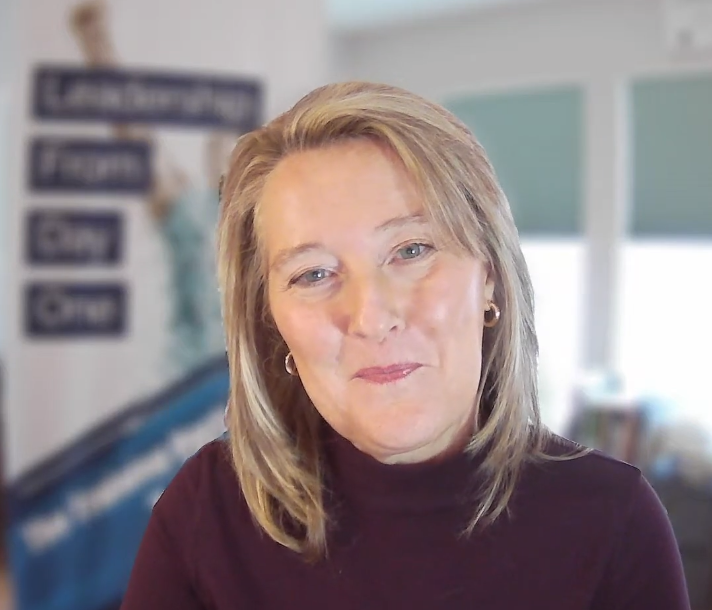
Nanette helps CEOs, leadership teams, and private equity firms turn talent succession planning into a measurable growth and valuation advantage.
In too many privately-held organizations, risk is building:
• Critical roles are one resignation away from disrupting the company
• Leadership pipelines look stronger on paper than they are in reality
• Younger, high-potential talent leaves due to lack of visible career paths
• Talent decisions are dictated by urgency, not strategy
Nanette works directly with CEOs, CHROs, and PE partners to assess, design, and operationalize talent succession strategies that strengthen the business from the inside out.