Stacey Lauren—How to Break Out of Horse Mode and Build Communities That Pull People Through Comfort Circles

What if the thing holding you back from your biggest impact isn't skill, money, or connections? What if it's just that you haven't found the right room yet?
In this episode of the Business Builder's Playbook, hosts David Bush and Jeff Bush sits down with Stacey Lauren, founder of the Do the Thing podcast and community, former staffing company owner with a successful eight-figure exit, and creator of the Billion Dollar Impact Marketplace. Stacey has spent years mapping the patterns of what actually helps people take action, and she's built a model that turns community, commerce, and charity into a single engine for massive impact.
Here's what you'll learn by watching or listening to this full episode:
• How to identify which "comfort circle" you're in, and why understanding that changes how you lead, market, and grow
• Why "horse mode" keeps your team, your clients, and even you from taking action you already know you should be taking
• How to build community that actually moves people forward, instead of just a group cheering from the sidelines
• Why community is the single most powerful marketing strategy for any business, and how "My People Parties" and challenges put it into practice
• How Stacey's Billion Dollar Impact Marketplace lets entrepreneurs and companies grow their business while fueling charitable causes at the same time
• Why finding your voice is something you have to do over and over at every new level of growth, and how to stop letting that slow you down
• How to stop waiting for permission to be in the right room and start creating the room yourself
• What stand-up comedy taught Stacey about rejection, perfectionism, and why loving to suck is the secret to doing the thing
• How goal-based networking builds deeper relationships than any traditional networking event, and why it's the foundation of her upcoming book
Stacey Lauren 0:00
This is the thing that sucks about growth, is like, at every level that we're growing, we have to find our voice again. Like we get back into imposter syndrome, we get back into like comparison, whatever we want, but then you have to go back to No, I'm just gonna be myself. And that's so finding your voices and they're gonna either love it or I'm gonna learn from it.
David Bush 0:23
Welcome to the Business Builders playbook, the show that breaks down the systems and strategies behind Predictable Revenue Growth to win in business. In each episode, we're diving into the proven strategies that separate the winners who scale from the losers who fail. This show is sponsored by bdr.ai the AI powered business development platform that automates your outbound prospecting so you can focus in on closing deals instead of chasing leads. Let's get started. Hey, welcome everybody. We're excited to kick off another show of the business builder playbook. And man, we have got an amazing guest with you all today. We've got the amazing Stacy Lauren. Stacey. Lauren is the founder of the do the thing podcast, the do the thing community. Straight up. She just does the thing. I mean, if this gal gets an idea and she wants to take action on it, she absolutely crushes it. And it's just been such a pleasure to be able to build a friendship with her and just to watch her just, take take the world by storm. She has been doing so many cool things. Her latest thing, we're going to talk about it and get more into specifics about the billion dollar impact marketplace. And if you are
Jeff Bush 1:30
a business builder and you want to figure out a better strategy and a better play to run in your playbook, this is definitely something that you should consider. So Jeff, you have been friends with Stacy for many years. So I'll let you do a quick little introduction because of your friendship. Yeah. I mean, Stacey and I joined a marketing like mastermind group 10 years ago, and every month for eight hours, we sat in a room and said, How do we do a better job marketing our business so we can sell more? And what was there? Eight people in the group, phenomenal group of people, businesses, anywhere from 5 million to 30 million. And every month I walked away from that marketing mastermind with a lot better information than I walk out of my CEO club. From CEO club. Oh, look at the financials, revenue, earnings. What's your business plan? Kind of dry. But marketing was fun. So we would do marketing things together, and we would steal each other's ideas. Oh, this is working really well for me. I'm like, I'm taking that, implementing that into my business. So that's how Stacey and I met, and then we both sold pretty big companies, you know, eight figure exits right around the same time, and we both got depressed together and go, What are we going to do now? We're kind of bored. What are we getting? So we were kind of like helping each other. We didn't realize after selling our companies, we'd actually miss our 60 or 100 employees and not know what to do. Is like, there's a grieving after you exit your company. We got the money, which was great, but it's not always about the money. So we've kind of supported each other, and now we're both off doing building new businesses again, right? We can't stop so that's kind of the history, and Stacy's become a friend. Been to my house. I've been to her house, out on her boats in San Diego Harbor, pitching area Coronado, and then me out on my ranch. So anyways, that's quick intro. So
David Bush 3:23
right,
Jeff Bush 3:23
glad I could be here,
David Bush 3:25
Stacy, we're so glad to have you here with this. And Jeff talked a little bit about the fact that you spent 20 years helping to build a successful staffing company before launching the do the thing movement. So where I'm just kind of curious, as we kind of kick things off right now, is that what experiences during that chapter of your career of building that staffing company to the successful exit that you had shaped the philosophy around just the work that you're doing today with the billion dollar marketplace.
Stacey Lauren 3:52
Yeah, and thanks so much. I'm so glad to be here. Love everything about what you guys are building and doing and the impact that you're making in the world. And yeah, the staffing company was like everything for me, because I spent 20 years hearing like people from the job side of things, like everything that they couldn't do, like, imagine, like you're looking for a job, and it's like, oh, you know, maybe you know, like they're scared of rejection, or the fear of like, getting promoted, or the Fear of losing your job, or the fear of getting a new job, or whatever it is that's going on, but it's all this mental baggage that people have when they're wanting to do something like that. And then also from a leadership side, I was helping companies fill critical roles, and I got to see them at the most vulnerable moments in their life as well, because a lot of times when you're building your your team, or maybe you lost a bunch of people, or you don't think you're a good enough leader, or whatever story you're telling yourself, there's like, all this stuff that happens. And so by the time I exited, those voices of all the people, because we had 60 internal employees, 600 external employees, of. All those people in my head about everything that they weren't good enough to do, they couldn't do they didn't want to do. They were scared to do was like, driving inside of me. And so that's where do the thing really came because I'm like, how what is the difference, you know, between people that are successful, you know, and that are doing the thing, versus the people that are, like, getting stuck, and sometimes they are the same people. Sometimes it's different things, you know, that we're good at, and different things that we're still working on, or, like, we have the stories about. But it was like, I became this, like human experimenter, essentially, like, identifying what this is.
David Bush 5:36
Yeah, was that? Was that really what kind of moved you into this whole movement of the billion dollar marketplace was just kind of catapulting from that do the thing formula into the idea of actually helping people to create massive impact in the world.
Stacey Lauren 5:53
Yeah, it's kind of wild. So like, do the thing started with the podcast, and actually both you and Jeff are, like part of that OG podcast when I was still dissecting the formula, and I got to hear your success stories and imagine, like, I'm like this, like scientist, not really a scientist, but like an experimenter, you know, and identifying what the common patterns are. And for anyone that listens to the podcast, like the first 100 episodes, you'll hear me real time talking about the formula, like identifying the why or mindset or goals or accountability and all these different pieces that I started to notice. And once I dissected the formula, which is basically just patterns of what helps people achieve success, I of course, now that I'm a mad scientist, apparently, I was like, Okay, I'm going to test it. And it's so fun because I remember Jeff part of all those conversations in the mastermind when I'm like, I've got the formula and and so anyway, I'm like, Okay, I'm going to test it. And that's when I decided to run a challenge. And it just was, like a total whim I had, I had just met my boyfriend. We met in person, not online. I happened to be in a group at the time with a bunch of people that were struggling with dating apps, and I'm like, Okay, I'm gonna help them, you know, with dating, not like a dating coach, but, like, help them, just at least get out, you know, in person and meet people. And so I, like, positioned the challenge with dares, and then I posted it in a group, and I said, Who wants to do this with me? You know, I'm gonna do dares. And I told them, kind of like, the story of where it came from. And 100 people said yes, and that was when I literally got to see 100 people in motion because of this formula. And so the formula, that was actually the thing that helped an individual take action turned out to be something that helps a group take action together, which is actually the core of my message now, which is being with people that have the same goal as you, not just your friends and family, not your regular support network. It's when you have a goal. It's like being with those people, and, for example, with the dating group, that was what I noticed, because a lot of them were like, in the group, they're getting excited. They're doing the dares. I'm like, Wait, can my friends see this? My support network? Like, I don't want them to see what I'm doing, you know, because it's when you when you're growing personally. And if you don't have people around you that are growing too, that is, like, it's hard, right? And so we could think that, oh, maybe this isn't for us, but no, you're just not in the right room. And so that's where, like, the challenges came from. Now I run these challenges from dating to starting podcasts, to find your voice, whatever. Oh, yeah.
Jeff Bush 8:25
Can I ask you something? Because we were in that marketing group generating leads for your staffing company, for my junk mail company, or I sell in direct mail, yeah, now you're doing the thing. What? What can you take from that on a marketing perspective, like how you marketed your huge, you know, like, I want to call it HR company, staffing company, or marketing, do the thing. What's your your takeaway on marketing? I'm just curious, from all the stuff we did for years, you know, like, relating that, like, just, can you share anything about marketing?
Stacey Lauren 8:58
Yeah, no, I have a lot to say about marketing. There's like, there's like, this whole, I teach, yeah, no, I teach this whole money grows on trees thing, which I did learn back when I sold books store to door, and I took that into the staffing company. And I also teach that inside. Do the thing, especially to people that want to grow their business, or they want to market their business, or they want to fill whatever room they're wanting to fill. But it's like understanding that idea of, like, there's so much business out there for us, it's just the matter of overcoming the nose, you know, and be able to move, move past the no even more. So that's like number one is anyone that's like wanting to market their business. It's like understanding that there are going to be people that are going to like you, and there are people that aren't. And then the other thing that I've really, I want to say, like do really well with do the thing now, which I think I did it with the staffing company, but I've really leveraged it now, which is community. It's building people around the. Thing that you're doing. So if you have a product, if you have a software, if you have a book, you know, creating an interactive experience around it. And that's what the challenges do, and so, and then I also do this thing called My people parties, which are these, like community, interactive experiences around something. So it's different than a workshop, it's different than a webinar, it's different than a training. It's really to training. It's really taking people on a zoom or in person and being able to host an interactive community experience around whatever it is you're wanting to do, and that is, I think, hands down, the best way to market your business.
David Bush 10:36
So if this show is resonating with you and you're ready to take action because you want to scale your business faster, smarter with more AI and technology and less labor. Check out. Bdr.ai, we help entrepreneurs and executive sales leaders to automate the grind of prospecting so you can focus your time on closing deals and growing revenue where you should be spending your time with AI powered data, digital outreach, automation and done for you, prospecting systems, you'll connect with more qualified leads, book more appointments and build Predictable Revenue without adding more hours to your week or the week of your staff. Visit BDR today and discover how our AI prospect finder and digital BDR agents can help you to build your pipeline and your profits. Visit bdr.ai, where business builders learn how to automate and scale their playbook.
Stacey Lauren 11:31
I started doing all this stuff right, which is technically really marketing, because I'm like learning what do people want, what do they need next, right? And that's another kind of marketing thing right there, and then I'm running these challenges. I even had Melissa Gilbert hired me to run a challenge for her community. I did a challenge for Eileen Wilder, like, I'm literally, like, running these challenges everywhere. And that was where I started to notice this like comfort circle. So the do the thing formula became this, like map of somebody's comfort zone and like each kind of like piece of their comfort zone is a comfort circle. And so for those of you listening and aren't watching right now, I'm holding up a giant concentric circle, which has been five years of my life, identifying and and so, yeah, so that's kind of like what I actually love now, and this is where the billion dollar impact marketplace came from. David is from me helping people. So for example, in the dating challenge, they're in horse mode. They don't want to leave their house yet, because they're like, Oh, I'm waiting to meet someone before I leave the house. And then now I want to like, oh, maybe I could. I'm leaving my house, I'm I don't need to wait for a date, right? Now, I'm finding my voice. Maybe I start to write a book, right? Or I'm thinking about, like, just even joining a group, or whatever it is, right? Then all of a sudden, you're now getting more and more confident around you know your voice and who you are. Now you might want to share it, because you're seeing that you're able to help people with the things that you're saying. And so now this is when you might want to speak at a school or do a TEDx talk, or start a podcast, and then, but after you're doing that, now you're like, Well, wait, how do I monetize this? Because you're spending so much time, you start liking it, and then you want to, like, actually monetize your voice. And this is where everybody got stuck is in this monetize your voice. And so that was actually really how the billion dollar pack marketplace came is because now I have a vehicle, really to help everyone monetize their voice, whether they're like, brand new entrepreneur, or they've been like, I have people that are literally making hundreds of million dollars that are still part of the marketplace, because it's a way that you're it's a vehicle that you're able to, like, donate a product or service, a percentage of the money goes to you, and then a percentage of the money goes to the charity. And so everybody loves it, since they're able to grow their business while also fueling causes at the same time.
Jeff Bush 13:55
Yeah,
Jeff Bush 13:56
and, you know, it's funny. I just want to share something. I was reading something about Mark Benioff, you know, he quit his job at Oracle, making a million a year. Everybody said he was crazy. I think Salesforce is worth like, 300 billion. There's only two companies in the world that could afford to buy it, and it might be Oracle, the job he quit, which I think would be cool. Larry Ellison, fifth largest, wealthiest guy in the world. So he's got this great story and but Benioff with with Salesforce, I read this article where he makes all of his employees give 10% of their money, 10% of his time, and I can't remember the other 10% and I'm like, wow, I never did that. I wonder if I would have done that. People lobby around the cause, and I don't agree with all their causes in San Francisco, some weird stuff. That's just not me, but it is pretty powerful. 30% of your time, your money. I can't remember the other the third one, but all the employees, like got on board with it. And my god, I wonder if that's how Salesforce is worth 300 billion now. I mean, it's incredible, right? Kind of ties into what you're doing. Bit
Jeff Bush 15:00
I love that. I can't wait to, like, study that more Jeff, because
Jeff Bush 15:03
do a throw down and Mark Benioff and what he did. Because one thing about that guy, he is, he is a giver and and he's, you know, billionaire, and, you know, I can appreciate that
Stacey Lauren 15:13
well. And I think that's one of the things that, like, I love about what this billion dollar impact marketplace is. Because basically, for anyone that hasn't heard about it yet, is well, so where it started was I became a charity auctioneer. So that was like one thing where I learned from Sean Kelly, who was my mentor. He's raised half a billion dollars in 10 years with his voice, which is wild to me, and being in the room with that much wealth being, like, generated, and given the generosity, it just like, is electric. And I became, like, obsessed with it. So he mentored me. I became a charity auctioneer. And then at the same time, I was trying to figure out, like, how can I use this with, like, what I'm doing with these challenges, with the my people parties? Because, like, when you're building a movement, you're building an audience like, of course, you could connect them together, right? And that was when I ended up going to Necker Island. I got to see how, like Sir Richard Branson is doing his philanthropy with part of his disrupting for good group. And then I met Susie Gigante, who's the director of community engagement for Virgin Unite, and she spoke at one of my events. And back to your point, Jeff, what she was teaching there was, like, we don't need to, like, Wait, like, these employees are giving. Like, we don't need to wait till we're uber successful before we give. We could give at any level that we are, right? And that's where this model came from, is all of a sudden, I'm like, How can I help everyone win? And I'm like, Great, I'm gonna sell somebody's product, somebody's service, somebody's offer, somebody's experience, whatever they have, vacation home, whatever they want to sell, 40% of the money goes back to them. 40% goes to the cause. So we're basically using commerce now to fuel charity, and it's exciting, and that's what I love about I can't wait to learn more about him, because, like, when you have a company, and you remember this from like, when we owned our companies, it's like our employees, that's all they care about. They want to give like, they care about money, but they care more about having meaning and purpose and fulfillment, and they want to know that their boss is not a jerk. And they want to know that there's like, more like, there's more something bigger than the business, right? And so that's what this marketplace is going to be doing, is we're going to be adopting it into companies all over the world. And then imagine, like, let's say a charity wants to raise money, and then maybe David, you're the speaker, you know, and then you're selling your speaking, your keynote, and then 40% of the money goes to you, 40% so see what I mean, they're like, almost like your affiliate, in essence, is we're giving the opportunity for now nonprofits and causes to become like creators affiliates, which is wild, yeah.
David Bush 17:48
What was the connection point like? When did you bridge that gap between developing communities and helping people to break out of their comfort circles? And also, why a horse?
Stacey Lauren 18:02
Yeah, well, I'll answer the horse first. So this journey has been wild. I don't even know it's been like one thing after the other, but I ended up meeting a movie producer. He actually is doing. He's one of, I think he's a writer for wicked three. I don't know It's wild. I met him, and then, oh, I helped him. I used my my people party system to help him monetize something that he was working on. Helped him make a bunch of money doing that, which was exciting, using community and getting people around his message. And then, while on doing that, we ended up meeting this organization called saddles in service, and they help first responders and veterans with an active duty with PTSD through equine therapy. And so we went to the ranch. I don't even know why I went, because I was technically done with our like contract, but I was like, I met them, I met Tammy, the owner, and I'm like, I feel like I need to go. So I went there. And then part of this movie process is for them to be interviewing the veterans and the first responders. And that was when I got to learn, like, how they overcame PTSD. It wasn't through talk therapy, nor would they have ever gone to talk therapy like some of them were actively suicidal. You know, when they went, it was the horse. And so what the horse showed me was, you don't need to talk. It's like this nonverbal activity. And so the horse could represent anything. Think about our kids with gaming, right? Like, sometimes, like our kids might feel more comfortable gaming than like talking to us, but if we're pushing them to talk to us, They're retreating. They're going to go down in the comfort circles, where, if we meet them, where they are now, they're moving through the circles. And so it's an understanding of like human psychology. When you understand the horse, because it's also sailing, maybe instead of the veterans or kids, or whatever you want to use as an example, like they're on a sailboat, they're not having to talk, they're enjoying they've got the wind in their. Hair, and now they're gonna start talking. And so anyway, that's where the horse came from. And I love it. I love the horse. And we call it board and do the thing. We call it horse mode. So, like, it's like, you know, let's say you're like, even when I went to Necker Island, I felt so like, not good enough to be in that room, like, with all these people that were doing, like, such, like, Nobel Peace Prize winner, like, crazy celebrities. It was like, wild. And so like, I would talk to my community, I'm like, I am definitely in horse mode now, you know, and that's what we call horse mode is when you're like, kind of like, you're in your safe bubble, but you're not, like, completely comfortable talking yet, but then you get more confident, you know? Now I've made some friends, so I'm obviously feel comfortable now there, and they never made me feel anyway, it was all in my head. But the point is, is it's knowing when you feel that way too.
David Bush 20:44
Yeah, would you bring your cardboard thing up again? I want to ask you a question about that. And
Jeff Bush 20:49
yeah,
David Bush 20:50
and it's probably, I'm just curious to know there's those white lines that separate us from that next ring. Yeah. What is your secret? Because I think that there's a whole story in those white lines of like, moving from monetizing your voice to creating a movement to the idea billion dollar mark. I mean, just to say the word billion dollars is just to make a little bit feels funny.
Stacey Lauren 21:17
Yeah,
David Bush 21:17
there's, there's something that has to push you through, and I know that a big part of that for you is building communities that actually almost push you through, or pull you through. Would you say that that's what the difference is between what you're doing and what a lot of other people are doing, is that you're creating environments to create those breakthroughs.
Stacey Lauren 21:36
I love that. Yeah. So this is an individual's journey of how that how an individual gets their voice out, and it's also the way a community can get their voice out. If you think about Tony Robbins, a lot of his people are, like, globally impacting people, and then some of them are force, you know. And so we when we know what our community and what circle they're in, then we're not like, Why is no one engaging, you know, why aren't they interacting? Why aren't they participating? We're like, Okay, I'm not giving them a safe space enough to find their voice. You know,
Jeff Bush 22:10
I got a good one. Tiffany is a big horse rider. She's had horses her whole life. My wife will go rent horses on the beach in Hawaii, and I'll get on a horse, and he'll turn around and go back to the barn. And there's a term for that. It's called barn sour. If they're barm sour, they retreat from the nice ocean ride and go back to the barn. They're so comfortable in the barn, they never want to leave. So when you get on a horse and he starts running the other direction, Tiffany would be like, Oh, your horse is barn sour. Isn't that funny. So that kind of ties into what you're saying. Retreat back to the barn. It's there. Rita,
Stacey Lauren 22:43
well, it's, yeah, no, it's so good. And it's back to, like, really, when you understand the circles, because, let's say someone's here, but then something happens where they don't feel safe. They're going back in a horse mode, you know, barn
Jeff Bush 22:54
sour. And
Stacey Lauren 22:55
then, yeah. And then the other thing about this is, see where Find Your Voice is. This is the thing that sucks about growth is, like, at every level that we're growing, we have to find our voice again. Like we get back into imposter syndrome. We get back into like, am I I mean, I think that's impossible. Am I good enough? Like, whatever comparison, whatever we want. And so no matter what I've done and where I go, it's like, it always, like, even Jeff, you saw me sneak at the, like, CEO group with Mike Richardson at ref, and it was so fun. But it was my first time going in front of CEOs since I've, like, left corporate, you know, and I was freaking out beforehand, going, oh my gosh, is this gonna and it was, find your voice. I had to find my voice again, and now I could speak to anyone, like, I'm okay going with CEOs again, you know. It took me, like, a minute, though, you know, to like, know that I am qualified to be the speaker in this room. And the wild thing was, I spoke to another speaker. The same thing. He said. He was like, oh, man, I hope it's good enough for this room, you know. And because the room felt like, really big in terms of who's gathered there and but then you have to go back to, no, I'm just going to be myself, and that's so finding your voice is and they're going to either love it or I'm going to learn from it, either way, right? But if we're in our head and we're thinking we're not good enough, you're not giving the most of who you are and what you can offer if you're in your head. And so that's the important thing, is to get it out of your head, you know, be able to really just tap into like who you are, like this deepest level where you feel the most alive, and now you're able to make the most amount your billion dollar impact, because now you're not being stopped by what room you're in. You're not stopped by anything. And you also don't need things to be like perfect either. You're able to be a little messier, which is also kind of the secret, because when you're in these safe communities, like you can Mike's a really good example of that. Like he talked about, like his event, which, I mean to us, looks perfect, right? But in his mind, it's like version one, right? But in our minds, this is, like, a great, amazing event, but it's still like, it's like, it's nice to not have to, like, wait an extra year to plan something for everything. To be exactly what you picture in your mind, because no one needs that. We just want to connect with other people that have the same goal. We don't need all this craziness that we think. We need
Jeff Bush 25:10
something else. I'll throw out there. David, I don't know if you know this, but at the end of our marketing group, before Stacey and I sold our companies, think it was back then, she's like, I'm going to go out and go on stage as a comedian, and I'm like, Are you crazy? There's no more rejection than that. Dude that scares me to death. Be on stage with my best material. Nobody's laughing. Get booed off stage. I'm like, I don't think I could do that. Dude. She's been on stage like 10 or 15 times doing comedy. I've wanted to go. I haven't made it down to San Diego. But I'm like, Dude, that took some nerve. I'm just, I would be too scared to do that, but she's Breaking Through Barriers. I mean, I don't know if you did it so that you could have the ultimate rejection and be able to work through it. Or maybe you're funny as hell and got a bunch of laughs, and that's probably fun, but I'm convinced comedians are pretty crazy. Robin Williams,
Jeff Bush 26:00
yeah. Gary
Jeff Bush 26:00
Seinfield, some of the best ever got through that rejection, made it through. And I'm like, that's, that's next level. So it's exciting that you did that. I mean, I am some, maybe someday, you know, I'll do it, but that's that one scared me. I'm like, No, don't do it. Stay someday. Get back in your barn, your horse.
Jeff Bush 26:19
I know I was just about, yeah, I was just about to tell you, I am doing it well, I'm hosting an open mic night.
Jeff Bush 26:25
Oh no, oh no. I'm gonna get an invite now. Yeah,
Jeff Bush 26:30
that's yes, yes. Hard to do two minutes. I got three jokes. That's all the rejection I could handle, though, kicking before they start laughing, and booty off stage. And yeah, heckle me. I'm like, dude getting heckled that. That sounds horrible. I don't even like public speaking. I'm uncomfortable on a zoom thing like this, but you did it, and it's just like, pushing through barriers, that's
Stacey Lauren 26:51
what. And that's a really good point. I'm glad you brought it up, Jeff, because, like, it's all about being in the right room where you feel safe, right? And so, for example, the open mic night, that's going to be like, a small room where we're just all getting together, we're all going to be up there wanting to just do three minutes of whatever the heck is exciting for us right now, whether it's comedy or speaking or reading a poem or whatever, whatever it is, and then, and then you're able to, like, kind of meet yourself where you are. And so that's the whole thing, though. It's like, it's like, realizing, it's really like, that's what I've been kind of obsessed with, you know, is like, identifying what your own kind of, like comfort circle is, and then knowing, okay, I just need to, like, find the right room for this side of me to express. And that was why I originally did comedy, was I hadn't done any speaking at that point. I was actually even scared to do Toastmasters, but I was starting to do the thing, and I was like, I have to do the ultimate do the thing, the thing that terrifies me more than anything. And then, of course, it was comedy. And then I, like, shut it down for like, six months, and I didn't tell anyone, you know, that that was it. And then a friend of mine joined a comedy class, and then said, Do you want to come? And that was when I started to do it. I wouldn't say I'm funny though. Like, that's what's funny about it. It's like, just because I do comedy doesn't mean I'm funny at all. It's just fun, and I like it, and it, it kind of like expresses a different side of me that I haven't expressed before. And it kind of opens up doors in different ways, which is fun, and that's how I met Sean Kelly, the auctioneer. That's what's wild. So had I not done comedy, I wouldn't doing this the whole thing right now, which is wild.
David Bush 28:18
Tell us the joke. We'll tell you for
Jeff Bush 28:20
fun.
Stacey Lauren 28:22
Well, I have a whole routine on YouTube that you could check out, and it talks about how much I love sucking, because that's why I'm able to do the thing. Because so many people are, like, perfectionists, you know, and that's why they're not good. Like, that's why they that's why they're stopped, because they think it has to be perfect. But when you love to suck and you're okay, like, getting lost in directions. You're okay with not being good at something, whatever it is. You have no expectations that you're good. So anyway, I have a lot of jokes around, like, perfectionism and all of that. Yeah,
David Bush 28:52
you have a TEDx talked as well, right? So you've got lots of great content out there.
Stacey Lauren 28:58
Yeah, yeah, it's really, I mean, the TEDx talk, like, if anyone ever wants to, like, really understand my work, I feel like that's the best thing to watch, because that's like, the power of community to help you achieve your goals. That's when I really identified the one piece of the formula that really stands out over like, everything, because if you don't have the right community around you for the goals that you have, whether if you want to run a marathon, you need to be in a marathon group if you want to do a TEDx talk, be in a TEDx group. If you want to write a book, be in a book group. So it's really finding the right group, you know, that helps you, like, build that camaraderie around it really powerfully.
David Bush 29:35
Yeah, I love the TEDx talk. I don't know it's been a while now of the guy that went out there and did all these unreasonable requests.
Stacey Lauren 29:43
Oh, yeah,
David Bush 29:44
okay, yeah, I can't remember the
Stacey Lauren 29:48
Yeah,
David Bush 29:48
Asian, Asian guy. And he was talking about how he would ask companies like, do you do burger refills?
Jeff Bush 29:55
Yeah. And
David Bush 29:56
then when they say no and they laugh at him, he goes, why not?
Jeff Bush 29:59
And.
David Bush 30:00
And then, and then you would ask people, Hey, can I plant a flower in your backyard? And they're like, no, why? And he just kept asking people these unreasonable things. And it was just amazing, the doors that just opened up for him because he was making this unreasonable request where people kind of laughed about it, and then he found something that he wanted to do, but it was because he had to make the request. So great content out there. So let's talk a little bit about the billion dollar marketplace, and let's talk about what that looks like and how people could learn more and participate.
Stacey Lauren 30:32
Yeah, so the billion dollar impact Marketplace is where I have made a bold declaration of raising a billion dollars for charities and impact projects. Now, an impact project could actually be like, even a business that like means something like a startup, you know, or something. So it's, um, it's really just being able to fuel these like projects in really powerful ways. And so I'm doing that by taking entrepreneurs actually celebrities. I went to something for the Oscars this week, which was wild. Anybody's products, services, whatever people have. So I've had thing people sell billboards to speaking spots to personal growth, professional growth, signings like travel, like Airbnbs, like all kinds of stuff they're putting into the auction platform. I'm the auctioneer, and then everything I sell basically gets split. So 40% goes back to the person. 40% it's so fun. It's like, really fun. And so the way you get involved is, I mean, sometimes I do pop up auctions, like, even on a Saturday, I'm sure it'll be too late by the time you listen, I'm doing a pop up auction for a friend of mine that's trying to raise money for her her ranch. She owns a she's helping first responders, you know, with almost like, imagine a first responder, and everything that you have to do during the day, she gives them a place to reset, you know, essentially. And so she equine
David Bush 31:53
therapy.
Stacey Lauren 31:54
Hers is an equine hers is just with, like, kind of, like, more soothing type things, but it's a really beautiful space. And she messaged me this morning saying she's like, in a dire need. And I was like, well, let's pop up an auction on Saturday. And so anyway, I do these pop up auctions, but for the most part, I have this program. It's called the billion dollar impact networking immersion, and that's where we go through this really fun experience together for 30 days, and we're all like, almost like, imagine, it's like your business is on steroids, because you're with all these really cool people that are doing all this really cool stuff. And you find, like, what are the goals that you're wanting? Whether you're wanting to grow your business, you're wanting to learn how to do Facebook ads, you want to learn AI, you want to travel, you want to cook, whatever it is, it's there for you during this one month immersion. And then at the end, guess what we do? We celebrate with an auction. And then everyone then sells their products and services. And it's a whole nother way of networking, because now you're getting to work with people that you might not have had an opportunity to do. So that's one way, and then another way. You say the word auction, the first thing that comes into my mind is, and I know that there's different ways to do an auction. Is, you're up in front of the room going, who give me 30 now? 30 now, 35 now. Like, is it really an auction, or is like a silent auction, where you put your stuff in an online platform and people bid on it, and then, yeah, it's a great question. I actually am building out the silent and the like, actual marketplace, where that will be living at some point, but for the most part, right now, right now, we've raised, I think we're at over half a million dollars using this model. It's virtual and in person, and it's an actual like auction where I am doing like, the whole, tell me what you have to offer, and then, okay, we're gonna start this bit off at $100 $100 bidder. Now, 202 $100 bidder now, 200 200 on bidder now, 300 and it's so fun. And then everyone gets crazy. My boyfriend on the back end, he made this like app, this whole new virtual fundraising platform where it raises paddles. And it's like, really fun. Everyone loves it. It's very high energy. It's something like no one every time like, someone comes. I think I'm like, at the point of this video, probably eight by now, because it's still really new when any, when anyone comes, they are just like, their minds are blown, because it's just so much like fun. When you're like, putting people's products, you get to hear them. I get to sell them. Some people are getting crazy deals that they would never have access to in the public, you know, because people are wanting to support the charity, and other times, like, These offers are going for like crazy money, you know, too, which is really fun. And how are you tracking the billion dollar impact? That's a great question. Yeah, right now it's on a little spreadsheet, but eventually I'm hoping to have a cool thermometer that will, like, kind of track it manual. Like, right now it's manually tracking,
David Bush 34:40
and it's just that you're just tracking the transactions that are done at the actual auctions. You're not tracking the auction or the post revenue that's created because of the growth.
Stacey Lauren 34:52
It's a great question. Ideally, it would be fun to be able to track other people, because what's happening is we're changing their psychology around. It means to give, you know? And that was part of what I learned from Susie Gigante, the director of community engagement for Virgin Unite. She helped us, like, reframe our psychology around giving. And so part of me is like, thinking that counts, but it's just been, I can't track it, you know, it's been, it's been hard to track other people's
David Bush 35:18
and you're writing a book as well,
Stacey Lauren 35:20
yeah, I'm D. It's funny. So my daughter, I'm going to promote her book right now. She wrote this book. Intention into action. She's 18, and literally, she wrote this book in two weeks. And so I have had a book in my heart for the last five years, and I do not have a book that you could hold up. So it's funny when we went to the Oscars, because she's like, having all these celebrities sign her book, it was wild. The whole thing was like crazy. And anyway, I'm running a challenge. I'm running a do the thing challenge around her book this week. And so now, guess what's happening. I am now I can see the end, I can see where I'm going to actually publish this book by July, and it's called the billion dollar impact networking, which is this new way of networking around shared goals, and then, and then teaching people, like, stop doing just surface level like, who are you? What do you do? Like, let's do something around goals together. So because when you're when you're doing something around goals, like you get to know each other so deeply, like, even with you Jeff, right, when we think about we had a goal in the mastermind with marketing, we all got so close, you know, and like, you're building this camaraderie and these friendships, whereas a lot of times when you're in just like regular, like, you know, regular networking events, it's just annoying and exhausting and in the same old thing, you know, when you do it around a goal, it's like, you're really, like, you're learning about each other. You know, you're crying together, like, in that group, we were like, crying together. We were like, growing together. We're doing all kinds of stuff. And so anyway, that's the idea of it, but that's the book. So it's exciting, yeah,
David Bush 36:55
as a billion dollar impact, networking is the title, subtitle is really important that I don't want to make, I don't want people to miss, and that is, get in the right rooms or create them. And that's one of the things that I've appreciated about Stacey, is that she helps people to take action. And they don't have to be invited into the right room to make an impact. She'll help them to create the room and obviously, find their voice and then move them through the phases. And so if people want to go out there and track you down, Stacey, I know that we talked about the TEDx video, and we talked about, you know, a bunch of other YouTube stuff. But what's the best place for people to reach out to you and learn more about the billion dollar impact, networking, book and the marketplace?
Stacey Lauren 37:36
Yeah, I would say come to the website. It's still, depending on when this happens. It's still being done. Hopefully you'll see something cool on there. It's the billion dollar impact.com and then if all else fails, just for anyone that wants any motivation of like running a business and having it be successful while you're growing, everything I've been doing has been in my Facebook group, and so it's due to the hidden collaboration.com so join me on Facebook, and that kind of gets you into my whole ecosystem.
David Bush 38:06
Yeah, we'll make sure we have links to those in the show notes, and make sure everybody has your contact information as well. But thanks so much for joining us for this fun. And man, I can't wait for Jeff to get up on that and do his two minutes. Can we get video of that? And David
Jeff Bush 38:19
does a Chris Farley presentation. That's
Jeff Bush 38:22
phenomenal. He gets half my time. He does the whole Chris Farley. It's phenomenal. Everyone laughs. He's fun,
David Bush 38:28
right? How's everybody? Good, good, good. All right. Well, it was good chatting with you, Stacy, and thanks for joining up with us.
Stacey Lauren 38:36
Thank you. Thanks for having me.
David Bush 38:38
Thanks guys. Thanks for tuning in to the Business Builders playbook. If this episode gave you some plays that you can start running in your business today, hit subscribe and share with another revenue leader who's tired of the pipeline grind building Predictable Revenue isn't something you figure out alone. Whether you're looking to automate your prospecting with bdr.ai, or you just want to talk through the growth challenges you're facing, reach out. We help business leaders just like you to build systems that actually scale. And if you're ready to stop being your company's Highest Paid Prospector, let's have a conversation. Reach out to us@bdr.ai until next time, let's keep building
Jeff Bush 39:19
You. You.
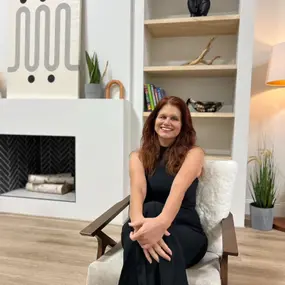
Founder of Do The Thing™ & Billion Dollar Impact Project | TEDx + United Nations Speaker
Stacey Lauren is a high-energy fundraising auctioneer, movement creator, and the visionary founder of the Do The Thing platform, inspiring people to turn connection into collective action. Known for blending humor, authenticity, and purpose, she helps leaders launch businesses, ideas, and communities by engaging people around action.
She is currently building the Billion Dollar Impact Marketplace — an engine that fuels business growth while raising $1B for charities. Think Amazon meets a new impact economy, with business spending as the engine for change. Stacey's work continues to prove that leadership begins the moment you decide to engage people around your message.
"Don't wait for opportunity. Create it."