Alisa McCabe - How to Get Financial Clarity Without Losing Your Mind (Or Your Business)

Most entrepreneurs treat their financials like a horror movie...
They close their eyes and hope the scary parts go away.
Spoiler alert: They don't.
In this episode, David Bush sits down with Alisa McCabe—founder of First Steps Financial and a fractional controller who's saved more businesses than she can count—to break down how to simplify, systemize, and scale your finances WITHOUT needing a PhD in accounting.
You'll learn:
• Why looking at your bank account to "check your finances" is the dumbest thing you can do (and what to do instead)
• The hidden fraud risks that are draining small businesses right now... and how to plug those leaks FAST
• How to automate your invoicing, payroll, and cash flow so you're not stuck doing data entry like it's 1997
• The financial habits that make your business actually SELLABLE (hint: if everything relies on YOU, you're screwed)
• Why profit margins matter more than revenue... and how to figure out where the REAL money is hiding in your business
• The exact first steps Alisa takes with new clients to bring clarity, peace of mind, and fat profit margins
David brings his signature energy and real-talk approach...
Asking the questions YOU'D ask if you weren't afraid of sounding dumb.
(There are no dumb questions here, by the way.)
If you're tired of the financial chaos...
Or you just want to stop avoiding your QuickBooks like it's your crazy ex...
This episode is for you.
Hit play. Take notes. And maybe—just maybe—finally get your financial stuff together in 2026.
David Bush 0:00
So what are some of those first steps that you're giving to an organization that says, I want to scale in 2026 these next 12 months, it's going to be on like Donkey Kong.
Alisa McCabe 0:09
The first thing you have to do is get paid. It's why people go out of business, is by not getting paid. If you create that expectation from the beginning of the relationship, and you have it so that it's in the proposal and that you collect the payment information at the start of the relationship that allows you to scale.
David Bush 0:32
Welcome to the Business Builders playbook, the show that breaks down the systems and strategies behind Predictable Revenue Growth to win in business. In each episode, we're diving into the proven strategies that separate the winners who scale from the losers who fail. This show is sponsored by bdr.ai the AI powered business development platform that automates your outbound prospecting so you can focus in on closing deals instead of chasing leads. Let's get started. All right, welcome everybody. Super excited to be here with you today, live, if you're watching recording, fantastic. We're super excited about our topic today. And I know that a lot of you have this question, and it is, how do you gain financial clarity? And we are going to be talking about that topic and talking about ways to simplify, systemize and scale your business. And Alisa McCabe is here with me from first steps financial and, man, we have been working together over the last six months, seven months, I can't remember how long it's been, and I have just been learning a ton of her expertise in the topics that we're going to be talking about today. So, man, I'm so I'm so excited. I'm kind of got the shivers right now just thinking about the opportunities of just there's so much to take in, and we have 60 minutes for this show. We're going to cover a lot of topics, but we're going to answer some very important questions. So please tell us a little bit about what brought you to the place that you're in today, doing this kind of fractional controller work that you and your team do for so many business owners and entrepreneurs and and what led you into that?
Alisa McCabe 2:11
So I come from a family of entrepreneurs, and I noticed that the thing that was missing for entrepreneurs was the financial side. They could be awesome at what they do, but being able to understand the financials, organize them, track them, and then be able to use them as like a gage on your company, and knowing when to turn the levers. So what's happening? How's the cash flow going? You know, what's a budget? Things like that, knowing, like, what your spend is going to be, knowing how much money came in. And it's things like that that got me annoyed, because I was like, How can you not know this? And and I saw brilliant, brilliant entrepreneurs, people who are incredibly gifted fail as a company because they didn't have cash coming in, because there was, there was certain things that were missing in their company that led them to fail. And that is really what spurned me to say, like, Okay, I have to figure this out. So my husband started his company, and I said, I got you. And so I started doing all of his invoicing and all that I worked with his accountant and and then I just started slowly doing it for other companies. And then I realized that there was a huge talent pool available to me. There was women who were CPAs who had worked in accounting for 20 years but did not want to work 6070, 80 hours a week. So I brought them in, and they worked for me part time. I still have two of my original employees, and I'm just so excited that they're on this journey with me, and that was 15 years ago I started. So it's been, it's been quite the journey, to say the least, and incredibly rewarding we have. One of our first clients is selling their business, and we have been there and watched them grow to this, from this struggling situation, organizing everything, making everything turnkey. So then the sale price was at a premium, because someone can just come in and step in and take over everything.
David Bush 4:37
So it's just such a valuable service. And the fact that you are empowering women, and I know that you've been recognized and received some awards around just the work that you're doing there. And so so excited to be able to display some of the experience and expertise and education that you have today. And I'd love to jump right into some of these questions that we've collected from entrepreneurs on what are the top questions? Actions that need to get answered going into this new year. So you know, many business owners admit probably guilty as charged that we don't look at our financial reports until tax season. So this is such a dangerous habit. So what should they be doing instead? I know that getting them to look at them on a daily, weekly or monthly basis might be a stretch above their motivation level. But what would you be saying to those entrepreneurs, business owners out there today who have just been doing the ostrich strategy, where they put their head in their sand and then they just kind of stay focused on all the things that are just working in the business, versus working on the business and the finances.
Alisa McCabe 5:36
So I can tell you that taking that approach by not looking at anything, you are missing out on tax savings. You're missing out on some cash flow. You are missing opportunities and and as business owners, we never want to miss that opportunity that can change our business. So if you look at it, if you look at your your numbers on a regular cadence, and you can look at it monthly. Quarterly, you'll start to see trends that are happening. So it's a looking back situation where you can see what happened, maybe in different seasons. And typically, depending on your business, you might want to look at them weekly. It depends on how volatile your businesses, how quickly things change? For a lot of businesses, it's over a quarter. Things even out over a quarter. So one month might be high, one month might be low, but it will even out, and it will show if there's really a change. If the whole quarter, everything's going down, that is when you know things are going in the wrong direction, and if things are going up for a whole quarter, then you know they're going in the right direction. So and then you want to, and then you want to look back on that quarter and say, what did we do differently? And it allows you to make those decisions. If you don't look at your numbers until tax time, if you don't have that meeting with your CPA before year end and discuss what's going on right now. You can't change anything. You don't. I have sent my financials to my CPA, who I adore, and we're going to have a tax planning meeting, and he's going to tell me that I can do A, B and C before year end, and this is what he suggests. And they are. There's someone that we work with, a CPA says there is wealth in taxes, and so you've worked really hard all year. Don't give it away. There's no reason to do that, and there's lots of options to do that, but knowing your financials all year makes the biggest difference and allows you to take time and be thoughtful of things and not be rushed.
David Bush 7:51
So taxes might be considered to be a blind spot. What are a couple other you know, top areas that you find that most business owners they just don't know what they don't know, or they can't see what they can't see. And so from an outside, outsourced fractional controller, your team comes in and shows them and exposes them to these blind spots. Yeah.
Alisa McCabe 8:15
So some of the things that I think business owners don't they don't realize that they actually have this information in their financials. So their cash flow, they you can actually produce a cash flow going months out, knowing what you're going to or it may not be exact, but at least it can be a projection of what you expect to come in, then you know how much money you're going to have to cover payroll, to cover your vendors, and having that information is amazing. Another one is knowing your profit margins. So many people we worked with a client one time, and they were doing a million dollars in sales, and they were super excited, and we were happy for them too. Hitting that million dollar mark is awesome, but their profit margin was like 3% and they were not in an industry that was 3% was the norm. 20% was the norm in their industry. So that was their blind spot. They could not believe it. Of course, when they what came to the end of the year and they they're like, oh, I have no money. They they realized that. And so we were able to, like, go back in and start to look at their costs versus what they're charging their clients. And we actually were able to come in and reduce costs and increase their price, and it changed their profit margin. But knowing your profit margin is is one of the biggest things you can learn. The other one, which I learned, is what? And this is a leading indicator for so many things, how much. Outreach Do you have? And you're thinking like, Is this in the accounting world? It is so how many, how many leads do you have? How much outreach are you doing? Because that number has a direct relation to your revenue, and you need to know that number. And it can be, you know, in our EOS world that we're in, we run on Eos, we create a scorecard that's one of our numbers, and it directly relates to revenue, to cash flow, to profit margin. It actually relates to all those. And if you don't know that number, if you don't know how much outreach you have to do to land one client, that's a huge blind spot.
David Bush 10:44
So if this show is resonating with you and you're ready to take action because you want to scale your business faster, smarter with more AI and technology and less labor, check out. Bdr.ai, we help entrepreneurs and executive sales leaders to automate the grind of prospecting so you can focus your time on closing deals and growing revenue where you should be spending your time with AI, powered data, digital outreach, automation and done for you, prospecting systems, you'll connect with more qualified leads, book more appointments and build Predictable Revenue without adding more hours to your week or the week of your staff, visit BDR today and discover how our AI prospect finder and digital BDR agents can help you to build your pipeline and your profits. Visit bdr.ai, where business builders learn how to automate and scale their playbook. You just mentioned something. I want to make sure that for those people that are not aware of aware, just give a quick little overview to Eos, because you work and you support a lot of Eos implementers and integrators, and you work as a part of their extended team, kind of like as kind of a go to resource when they come into an organization that needs some extra support. So talk a little bit about Eos, and then talk about how you work with coaches and consultants who are advising business owners on what's early signs they can be looking for when a company might be in trouble or might need some assistance.
Alisa McCabe 12:16
Well, I'm glad it's like my favorite subject beyond helping small businesses with their finances. So EOS is based on the book by Gino Wickman traction, and it is a system that you can run your business on, and it provides tools. And it is phenomenal because it works in every industry. It is industry agnostic, which I love, because there's very, very few tools that are like that. And what it is is it allows you to run your business, and it gives a playbook on how to do it, on what what you should do for people, what you need to do for your data, like what you should be looking at. And it allows you to really focus on your business, because you put the system in place, and then you follow the system. So it's been phenomenal for us. We've been part of Eos for five plus years, and we've worked with implementers. And one of the things that we love to work with implementers the EOS coaches, is talking to them about the scorecards. So in Eos, every EOS is theory is that everybody should have a number. So everybody on your team should have a number. And I kind of love this, because people are thinking like, Well, how could like customer service have a number? Well, their number is how many people they helped that day. It can be if, if they don't have a number, then why are they doing that job? And that was really profound to me. So we help the EOS implementers work with their clients to find those numbers, because sometimes it's hard to know where to find the number. They're like, well, I just have QuickBooks and like, yeah, there's a lot of information in there that people don't utilize. Because when you go to the reporting part of QuickBooks, it can be manipulated to pull many different drivers from different places. And then we can develop those numbers, and then you can easily get them and put them in your scorecard. And typically, in your scorecard, you do it weekly, so that you can so if something is going bad, you can tell right away. You don't have to wait. And those numbers, you know you want to be done weekly. And we can definitely provide that information. And then it, it provides such insight to who's ever responsible for that number, and then they can see if the actions that they take have made a change. And so that helps, that helps these, the coaches and the business coaches, to be able to say, like, this is working, it's not working. And it allows them. Get more in depth with them.
David Bush 15:02
And you and I share a big passion for creating sustainable habits, you know. So in the business development world, there are certain habits that lead to predictable success. And you talk a lot about the term financial habits, so talk to us a little bit more and how that can create simplicity and streamline and structured scaling opportunities for
Alisa McCabe 15:27
business owners. Wow. I do love your business development habits that you know you and I talked about, and you know, 20 minutes every day doing business development, beautiful habit. I can't stress that one enough, but the financial habits, same thing. It's something that you should be doing. It's a regular, consistent, predictable practices, and it puts in place to monitor and manage and understand what is going on in your business. And it's something that you want to think of when you when you create this habit, you are checking the pulse of your business, and it is, I'm a huge fan of atomic habits. And that book really changed a lot of we actually read it as a team, and it really talked about having systems in place again, EOS creating habits. It's it really comes down to the systems you put in place, the things you do on a regular basis, things you pay attention to, are the things that are going to grow and get better. So if you continue to look at your finances, you're going to gain control over them. You're going to feel more confident. You're not going to be afraid to look at them. Once you look at them on a regular basis, if you if you start to get comfortable. And again, it's uncomfortable at first it is. I have to tell you one time we and this was our error. We presented financials to somebody in a spreadsheet, and they burst into tears because it was so overwhelming. So we took a step back and we said, Let's do graphs. Never had a problem since, but you have to get comfortable with it, and you have to start to be okay with looking at your finances, especially when they're bad, because you can make some serious changes.
David Bush 17:27
Yeah, I know that. You know, in the in the world of physical health, you know, sometimes people think avoiding the scale is no news. Is good news. Well, we all know that if we don't get on that scale and kind of get an idea, or at least we don't get some form of a checkup, we oftentimes are going to have problems, and it's going to be very painful, and we're going to drift into those unhealthy lifestyles that are going to cause us to have premature death or other types of things. And so the same thing goes for our financial health. And so when it comes to just driving day to day decisions. There's things like accounting tasks and controller level oversight and strategic financial insights that you've recommended as almost like preventative measures that create optimal financial health and well being. So talk a little bit more about that. So there are.
Alisa McCabe 18:22
So there's things that we can do in a company that are that I highly suggest everyone does. And some of those things are tasks and and controller level oversight that everyone should have in their business. And one of them is fraud prevention, because, you know you you can catch fraud if you are in your books on a regular basis. So we, I'll tell you about a situation that we had check. Fraud is rampant. If you don't have to write a check, please don't It is horrible. We had a client who had special checks that had, like this special signature thing on it. It still got washed and written. Someone took $30,000 out of their bank account, and the reason why it got caught is because we were checking the bank account. We went into their QuickBooks file, we updated it, and we saw $30,000 we immediately called them, because we weren't expecting it. We're we're watching the financials every day, making sure the invoices are going out, making sure bills are getting paid. And we called and said, What's going on here? And they said, not us. So they were they were able to call the bank, and the bank told them, have they not found it within 24 hours? They wouldn't get get it back for six to eight weeks. How many small businesses would go out of business without that $30,000 what if you had to run payroll that day and you don't have the money to pay it so small daily tax? Tasks are, you know, reviewing your books, making sure things are happening in there. So the fraud prevention that we we try to talk to our business owners about, are these putting in place situations where not one person is in charge of the bank account, so where there is an oversight of someone who's paying the bills and someone who approves the bills. So a bill goes into your QuickBooks file, someone reviews it, puts it in, marks it for approval, someone outside of that person approves it, and that person checks it and make sure it's a current vendor, that it's someone that we know, it's someone that you have a w9 on file for, and then they will approve it if it was a known expense. Then someone else, or the same person who put it in, can mark it as paid and have it sent out. We there's so much fraud that can happen where people are brilliant, by the way, especially when it comes to fraud, they'll make up a vendor, and they put a vendor in, and then they put a bill in. They say, Hey, can you pay this? It's always good to have more than one person so that people understand what's happening in the business another area where you want to have controller oversight is in payroll. So you want, you do not want a person who's getting paid through payroll running your payroll. So we came into a client, and the person who was in charge of the bookkeeping. Was running payroll every week and paying everybody, and she was paying herself twice. She paid a lot of money so and the owner didn't know it until he realized he had no money. It was way after the fact. So keep an eye on payroll, and when you do run this payroll, people are very clever. We had another situation where the person was running payroll, the business owner was overseeing it, but the person who was running payroll, and she was on payroll, only gave her a certain report, and it just showed salaries. So the business owner was not aware that she was putting in $1,000 reimbursements every payroll for herself. So they didn't see them, because the taxes looked fine. Reimbursements don't affect how much goes out in taxes. So it's those situations where you want to have that oversight where you want to put systems in place, practices in place, that you're doing these things on a regular basis, you work way too hard to have someone steal your money. Absolutely.
David Bush 22:54
Yeah, you're just running through and I know that we have a lot of those checkpoints as you're talking about those scenarios. I was like, Yep, we've got that in place. So, yeah. So that's a great strategy, but what other types of tools and dashboards are you recommending for business owners to want to have real time visibility into their financial health?
Alisa McCabe 23:11
So there are, so we highly recommend that everybody has a CRM system. Which people are, like, that's not a financial system. It is. There's gold in your CRM system. But what it helps us to know in the financial system, and we highly recommend, and we come across this often, that people have many systems. They might have HubSpot as their CRM, and then they might have another site where people come in through like a website where they're purchasing things. So there's many different sites. You want your accounting system to be the source of truth. We have companies that have memberships and then others that do contributions, like for nonprofits. Again, you want all the information in one place, in a central location, and we highly suggest it be your accounting system, because that will capture everything. It captures your payroll and your income and all your expenses, whereas some of these other sites only capture one side of it. So having everything come in, having everything connected to that one site, then you can start to look at client acquisition costs. You're like, wow, okay, yeah, that is a number. I do want to know that number so but we need to know your CRM system. We want to look at how much is that costing your marketing system. How much is that costing? Is it? Are you doing any ad spend? We need to know that number. There's all these different things, all these different numbers that we want to pull into QuickBooks to be able to create those numbers for you, and then it allows us to have that information, and then sometimes we can connect it with another system, which can elevate the reporting. Now, QuickBooks has great reporting, but they don't have forecasting. So take. Seeing those numbers from all those different places, pulling them into QuickBooks, and then pushing that out into a forecast. How nice would that be to to have to have a vision on the future, to have that crystal ball say, like, Ooh, what am I going to make in the future? What's going to happen and and being able to have all those financial systems, the worst thing that you can do as a business owner is to look at your bank account to figure out how much money you have, because it's not accurate. It doesn't show what's coming soon, and you don't know that. You might look and say, I have X amount of dollars today, but payroll is coming out tomorrow, and the credit cards being paid in three days, and then, oh, you have a client that's come that's paying into it. So you don't know what's happening when you just it gives such a narrow view. And I know it's a hard thing to stop looking at, believe
David Bush 25:56
me, yeah. Well, I know that. You know we're talking about financial clarity for growth, and you've talked about a couple of different ways to simplify and systemize things, but let's jump into the scale side. And as we go into that, you talked just for a moment there on CAC or client acquisition costs. And I'm kind of curious about when you're taking in all of the numbers that go into acquiring a client. You even mentioned the idea of people's time. So how are you tracking the time into the equation for I mean, is it salaries? Are you looking at a percentage of salaries? So if somebody's doing a certain amount of business development time in their work, you're going to take a portion of their salary and divide it into that or, I don't know.
Alisa McCabe 26:41
Do you want to come work for me, David, because, like, are you looking for help? You're like, you're getting all the answers here. I feel this is great. Yeah, it depends on where that is. If they're salaried, yes, it would be a portion of their salary. If they're hourly, it's how many hours it took them to work on this, or how many hours they're dedicating to that part of the business. If you hired a marketing firm, we're going to take in a portion of the money from there of how much there's how much you're paying them. We're going to pull that information in. Are you doing Google ads and and what are the numbers in Google ads? We're going to pull that information in. So it can be, it depends. We come in and we look at the whole picture, because client acquisition costs are very rarely just one piece of information. It's usually several sources, and pulling all that information is when we're talking about that extra reporting that you can do. And there's other programs that are amazing to it, and knowing those numbers are going to help you scale, because if you know how much your cost is to get a new client, then you have some costs built in already, and you can start to budget on how many clients can I afford to come In, and what does that look like? How many do, how many clients do I need to bring in to cover my costs? You start talking about the margin that happens between that and, uh oh, wait a minute, maybe I'm not priced correctly. So it leads to secondary questions. You mentioned scaling, and I have to, I have to say this about scaling, because something that we want to help our clients, and we want all small business owners to understand about scaling, is that you can't throw people at a problem when You go from 100 invoices to 200 invoices adding another person that is not scaling, figuring out how to automate the invoicing. That is how you can scale. Because if you have to keep adding people to a situation where it is data entry that is not scaling, having a system in place will actually get you to scale. Now on the other side, when you have a sales team, for instance, and if you want to scale, you add more sales people, but you still have to have a process in place, because if you don't have that process in place, you cannot scale and in our world and with our clients, we meet with our clients, sales teams, which are thinking, why is the accounting department meeting with the sales team? What could they possibly talk about? Let me tell you, we have lots to talk about, because the sales team brings in all the money, and they get paid a commission, usually. And who figures the commission the accounting department. So they love us. They want to talk to us, and they want to know, did the client pay? Am I going to get paid the commission? And so what, what we do with our sales teams that we work with is. Is we create a system for them that is streamlined so that they capture all the information that's needed from their clients, and we invoice, and then we have a system that lets them know as soon as the client pays, so the sales team is always cheering us on. Yeah, that's a great way.
David Bush 30:20
That's a that's a game changer opportunity, because if you know sales, people can have that instant communication when something has taken place, they're more motivated, right? If they're not waiting for that, you know, lack of information. So, man, that's a great takeaway. It's a jotter downer right there. So I know that your company is called First Steps financial so let's talk about first steps, financial systems to scale. So what are some of those first steps that you're giving to an organization that says, hey, I want to scale in 2026, these next 12 months, it's going to be on like Donkey Kong. What are your go to first steps? From first steps financial
Alisa McCabe 30:59
All right, so the first thing, and I talk about this, so if you've heard me say it, I apologize, the first thing you have to do is get paid. It is, it's why people go out of business, is by not getting paid. And you need to, and you need to have the conversation from the beginning. And I know there's a lot of things, you know, we get a lot of industry standard we have, like a PR company, and industry standard is 45 days. Well, she kind of came in as a rebel and said, Nope, has to be 30 days. And they said, okay, but again, if you create that expectation from the beginning of the relationship, and you have it so that it's in the proposal, and that you collect the payment information at the start of the relationship, and they understand you're going to take the money out of their bank on the 30th of the month, and they've agreed to it. You have, you have already talked through all those expectations, and you've listed out what you're going to give them for that amount of money. And so that allows you to scale, because you know when money's coming in. Your clients, there's no disagreement on it, because they know what's going to happen too. And so that is the number one thing. If you can't get cash coming into the business, you can't scale, you won't be able to take step two, which is to put those systems in place where things are automated, so that you everything's happening in the background. And so Accounts Payable needs to happen in the background, so that you have you know how much cash is coming in, because your accounts receivable is all set. You know, like getting 1000s and 1000s of dollars in every week. So you know you can pay out your bills, and you set them up ahead of time, and they're good to go. You don't even look at them, because you know that they're right. You know what you're going to pay, and you don't have to waste the brainpower, because then whoever is generating revenue doesn't have to think about that can step back and make more money for the company. And so and then the the other automated systems that we put in place are anything with the financials. So you get automated reporting. We can set up reporting to go out every week. You can see how many sales you made last week, how many, how much payments, how many payments went out, what's still coming in, what's late. You can be on top of every single thing that is going on in the company, and those can be sent to you automatically if your team is on. Time Tracking, for example, if you do construction, you may want to know what jobs they closed out last week. So did they? Did they finish doing the Smith's house? Did they finish installing, you know, the electrical panel at the Smith's house? And you want to know that that Job's closed out? Well, there is a time tracking system and this, and this is just one. There's many out there. There's one inside of QuickBooks, and it's called QuickBooks time, and it can go on anybody's phone. So if someone in the field who's working at a job, they can check in at that job and check out, and their payroll time gets allocated to that job. And so that is something that can help you scale because if you need to hire another person, all you do is give them the app on their phone and you tell them how to use it. The other thing that is also a huge scaling tool that we recommend is a program. It's it's a SaaS, but it's also a credit card. It's called ramp. And what it is is you can give everybody on your team a credit card, whether it's virtual or physical one, and whenever they use it, it will send them a text and say, What did you use this for? And it will say, upload a receipt. Eight that goes into the ramp program. You can have a manager approve or deny any of those, and they all flow into QuickBooks. It is an incredible system, and I am the worst at keeping receipts. And when I go buy gas with my card, it sends me a text and it says it looks like you just bought gas with this card. Please confirm. I say, well, thank you, because it allows you to not save that space in your brain to remember these things and and that anytime you can take a system that is data entry and automate it, it allows you to think about how to grow the company, how to scale it, and how to bring more revenue in, how to train more people to do certain jobs that need to be done. So those are just some of the things that we we highly suggest that people do right away when you start your business,
David Bush 35:57
that's so good. And I've been playing with these words with having conversations with some of our clients and prospective clients, and it is the four word process is, first is validation. So validate that you have a strong process or standing operating procedure that you know is going to give you the desired outcome that you want. So validate validations first second is to automate. So if you can automate something that's a repeatable process that is taking up time, energy and effort of a human being, and you can use AI or some form of technology and automation with consistency in your in your outcomes, automate it. And then the third one is delegation. Delegate it to somebody who can actually manage the automation in the valid process that you've already proven out. So that's where you know, handing off some of these responsibilities to an organization, like first steps financial now you can free up more time and energy and effort for the current staff to be able to do things that maybe they haven't been getting time to do, or maybe give them a better quality of life and give them more time off. Which that could be you as the business owner, CEO, is that now you've delegated these things out, and then the final one is escalation, escalating to a higher level, scaling your business, not just adding more cheeks and seats, but adding more revenue, more profit margin. And you know, we're big fans of fat profit margins, and if your profit margins are not fat, if you're on the skinny mini version and you're below industry standards, then having that audit, having that conversation with an organization like first steps financial is going to give you that clarity of, how do we fix that in 2026 and for most people, it's fixable. Wouldn't you say, or would you say that there's people that you could definitely say, you know, here took the pulse and declare this business DOA,
Alisa McCabe 37:58
so it is. Look, we're ever hopeful. I truly believe that all businesses can be helped. And, and you said all the things like automate, elevate and delegate, and elevate, like all those things are such key words to keep in mind. And, and I don't mean to be, you know, sound be a downer, but it's an ongoing process. So that's one of the things that we love to do, is we set a process in place, and it's automated, and we're in charge of it, and we're looking at it, but you have to revisit it, because things can change in a business, things can change in technology. So checking on that automation and making sure that it is as efficient as it can be, because if I set my automation to what I did 15 years ago, I there'd be a lot of things I'd be doing by hand still. So you know, you have to keep up with and our company is every month we do continuing education internally, and we bring in an expert to teach us something new. And we are always we actually have everybody in the company is required to do a learning webinar once a month, and that is something to go out and learn a new software be on a thought leaders webinar so that we can learn more, so that we can be on the cutting edge, so that we can come back and revisit these automations and say, How can we make it better? And we are constantly thinking like that. And I think, as a business owner, most business owners are already thinking like that, but maybe in the in what they do best, and so we're in the background, thinking that too. And as a business owner, delegating is so important. I I have met people, and often I talk with lots. Of business owners, and you and I have talked about this, about people who are doing everything, and they're they're stressed, and they are worried about passing something on because it's unknown, and you worried, like, what are they going to do with my baby? It's like, I put a lot of effort into this. I can't just, like, hand it to you. You would check out a babysitter, wouldn't you? You wouldn't just like, toss it out there. So I so if you are going to delegate anything, check referrals, do an online reference cert, find out anything you can about who you are delegating to. If you're delegating internally and you're just not sure, then walk through the process with them. Some people are capable in in Eos, there is something GWC, get it, want it, capacity. And sometimes the capacity is not a time thing, but a mental capacity thing. Some people just can't grasp something, and that's okay, because there are some people who take it on and will look at it and see more than you do in it. So take your time when you do do that delegation, make sure it's done well. But do it? Just take that leap of faith. Just know that people are going to do well for you.
David Bush 41:26
And something I learned just in the green room before we started this whole presentation was that first steps financial can come in as a support to your existing team. So if you already have somebody that's doing certain aspects of this, but you want to scale, and you don't necessarily want to get rid of that person, because that person's fulfilling a responsibility. Then add to that person, and you can use the idea of a fractional controller with first steps financial to come in to provide some of the higher level financial insights and expertise and confidence and strategy, while the person that is currently doing some of these financial responsibilities for you, whether it be a spouse or a staff member, multitasking and doing multiple different things, they can support that person. Then you can also hand off some of that oversight and accountability and leadership to first steps financial to come in there as a fractional and help you to lead the organization. So let's talk a little bit about financial clarity and how that supports better leadership decisions, especially when it comes to scaling and hiring and investing and expanding an operation.
Alisa McCabe 42:38
So one of the things that we are incredibly proud of is being able to show financials to our clients and have a real discussion about what is going on in their business that they may not realize. We have a client that's been with us for a long time, and when we first started working with them, we ran some numbers, and they didn't have financial clarity before this. They they didn't know if they were making money. The business owner was putting lots of money in the business, so he assumed he wasn't making money, and he had agreements with different people in the company. So we came in and we reviewed everything, and we were able to produce a report for him that showed him that someone on his team was not fulfilling their contract, that they were supposed to bring in so many clients, and they weren't, and he wasn't aware of it because he was so busy running everything that he didn't know this, and so when we brought it to his attention that, look, you know, there's supposed to be an equity of all these people bringing in revenue, and this person is far below where they're supposed to be, it allowed him to have a conversation. The person instantly said, Thank you. I'm still lost, and I didn't know how to come to you with it. So this person would have gone on and it was sucking the money out of the company, and nobody knew where the leak was. So financial clarity helps you find the leak of where money is going. It can also do the opposite effect, finding where the gold is in your company. If you have different services and you have them built out, you can find out which service is most profitable. So you can, if you're if your books are done in a way, and this, again, is going to provide you with some financial clarity, knowing that you have service A, B and C, you have costs allocated to a, b and c, and you realize that service C is the most profitable. So what is that going to make you do that gives you some some clarity on what's my next step? Well, I'm going to pour my marketing into pushing service C, because that makes us the most money, and that allows you to make your company more profitable, to pay your people more, to pay yourself more. It allows you to scale and grow when you have that clarity. And we recently had a client who is in the process of selling, and they have been our client for a long time, and we provided him with some reporting, again, around what people were doing in the firm. And it had been fine all along. He had been looking at the reports, but he hadn't looked closely at them in the last six months. This goes again to looking at your reports all the time. And so he's coming up on the sale of his company. It's not done yet, and we showed him that this person, out of all the revenue that brought in in the last six months was only 5% and before that had been 50% so what's going on here? So when he's when he's structuring the deal for the bio, he's changing the deal that allowed him to, he was ready to give away half of the company, and he said, Oh my god, I can't do that. And it was, it was such a great moment for him to have that, have that, you know, light bulb go off.
David Bush 46:28
Yeah, well, there's a lot of people out there that, you know, they know that at some point there's going to be a decision to sell. And so, you know, for those that are thinking about the their exit strategy, whether they're thinking about exiting the org chart, or whether they're thinking about exiting the actual company altogether. What are some of the key financial habits or strategies that make a company more attractive to investors and buyers, that they can be more attentive to over these next few months or years?
Alisa McCabe 46:58
I'm glad you asked, because I think people, there's some things that we forget as business owners, and there has to be an end game. As much as we may love what we do every day, we have to think about what's going to happen when we don't want to do this anymore. You know, what does that look like? And be preparing for that. We work with a lot of exit planners, and one of the things they say is, you should be looking five years before you want to leave at certain things. Some of those things are, how do sales come in? Do you have a system set up of how sales come in if it is reliant on the business owner. If all the relationships of all the sales that come in are the business owner's relationships, the business is not worth a lot two. You have to have systems in place that don't rely on one person, even beyond sales other. There's so many other systems. We were working with a roofing company, and they and a very high level company, and in their office, they had a bookkeeper and an office manager. The bookkeeper retired, and the office manager passed away. Nobody knew how to do anything. They literally didn't know how to get into the computer to look at the accounting software. That's how bad it was. So in a situation like that, you have to have everything documented, have things ready to be turnkey, so that somebody else, anybody else. And so we actually do this on our own team, where we have all of our tasks written out and and we we move people around and say, try out these tasks and make sure that they can do them. Anybody should be able to step into that seat and be able to do that task. That is going to increase your value, anything that you can automate, anything that doesn't require a person to push a button to actually be in charge of it, to make sure it gets pushed along and and you have to remember in your head too, if this One person left, I'd be screwed if you're saying that, yeah, you have to change that, because that is not going to that's not going to bring you a valuation that you're going to want. We had a client years ago, and they went out of business after this, but we were helping them get their systems automated. They had an employee that everything was reliant on, and they were they were in the process of trying to sell to another company, and the other company just came in and bought the employee, and then they went out of business. Yes, because they they just everything. They realized that one sales person was the whole company. So it you're hedging your bets, like you want to protect yourself, you know you'd get worried about people stealing your company or things like that. L delegate and elevate. So it's, you know, something you can talk to your people about doing is, is you're all in the same boat. And so, you know, this boat can move fast if we're all rowing in the same direction, and everybody has a piece of it. So those are some things that will definitely help you to increase the value of your company, and it will, it will also get your company sold faster. So, just so you know the statistics on it, I was at a recent workshop for people who are selling their company and people who are buying their company, apparently there are many more buyers than sellers. So at this moment, the percentage out there is about 7030, 70% of the people that were there were buyers. So if you are interested in buying, pull it together, get your top dollar.
David Bush 51:22
Well, I know that, just going back to that four word process, is that validate that you have a business that works because the business works, not because you or somebody on your team works because if the business is dependent upon people as being the primary source of revenue generation, and you don't have a duplicatable process where you can interchange people at a lower cost point, you're probably going to struggle with trying to get the top dollar for your business, because it's all going to be blue sky and based on people and then automate. Do you have processes and procedures that are automated? Do you have systems in place that happen because the system works? That would be the next step, and then delegate having other people having, what do they call that? When you have duplicatable systems, or you have cross training that takes place, you know, having other people that are making sure that things are happening and that you aren't the only one with the key to the city, or that your key person doesn't have the only key and password to log into the QuickBooks file. You know, delegate and make sure that you have other people so that you can elevate with peace of mind. And I want to wrap this session up with the concept about peace of mind. And just, you know, people are emotional about their business. And, you know, how do you help a business owner to overcome, you know, fear, guilt, shame about their finances and really feel empowered by numbers versus I know sometimes, because people are not numbers people, per se, that they just say, Well, I'm just not a numbers person, and they become overwhelmed with the concept of it, or because things aren't what they want it to be. It's that avoiding the scale is that I want to look at the numbers, because, you know, no news is good news. So talk to me a little bit more about the emotional support and how you give people the confidence to scale.
Alisa McCabe 53:16
So it I didn't realize what a large portion of people actually feel this way about their finances. I had people come to me who are just brilliant entrepreneurs, and they would come to me and tell me they were embarrassed about their finances and and we would always reassure them it's nothing to be ashamed of. It really isn't. This isn't taught somewhere. This isn't, you know, when you start a business and you want to, you know, be a plumber, or you want to, you know, start a software company, you aren't taught any of this. I have a daughter who's a lawyer, there's no class that teaches you how to run a law firm and and this happens often with lawyers and doctors and dentists, that they are brilliant individuals and phenomenal at their craft, and so we have to let them know that it's okay to feel that way. It's okay to not understand it, and it's okay to take baby steps, because you need to take those baby steps. And even if you can just understand it on a 30,000 foot view, that is going to be good, because then it allows you to start to feel more comfortable, and then you might step into it a little more so we have, as I was telling you about how we horrified that person and put a spreadsheet in front of them. One of the things that we learned and this person was also incredibly intelligent, and it was just overwhelming. We. We've learned not to overwhelm our entrepreneurs, because they have enough stuff that overwhelms them, and numbers, like you said, are intimidating. We usually use graphs which are easy to understand, and we use fewer numbers so that it's just what are the drivers in your company? And we usually pick three drivers, and we take those and we put those out there. And that seems to address the shame that people feel, because we don't expect them to know anything. We don't say profit margin or, you know, we don't try to use any accounting terms that might make them not talk, because the worst thing that we can do is is shame somebody into not asking questions we want to know. There's no dumb questions. You can ask us anything and you know, and sometimes that question you ask, is it really what you want to know? But we're going to tell you what you really want to know, and it's, it's really, it's actually a training we do in our company. We have a special training for everyone in our company so that they can understand the mental psyche of a business owner, so that when they work with the business owners, they come at it from their point of view. So I tell, I tell the hairdressers, I don't know how to color my hair. Why should you know how to do QuickBooks? Wait you color your hair.
David Bush 56:37
Go Natural. You said. You said you want to start asking you the tough questions. You're going to tell us what we want to know. Just joke. All right, so give us the three minute first steps to working with first steps financials like, what are the things if individuals wanted to come to you, what do you offer them as a first step?
Alisa McCabe 56:56
Okay, so if somebody wants to work with us, the first thing that you can do is feel that you can be open with us. If you're a service based company, if you are not clear in your financials, if you know that things can be done better, you can reach out to me directly. Elisa, at first steps financial.com put time on my calendar. I have a calendar link that I will share with you guys, and what you can expect is a great conversation. And as David will tell you, the first time we met, I don't think we talked about anything financial. What we do is we talk about, where do you want to be? What do you love about your company? How'd you start your company? We want to know you as the person, because then we can build a system that fits you and fits the goals that you want, and we'll take care of all the technical side. We will show you what you want to see in your business and allow you to help make great decisions and not to be overwhelmed with this side of your business. So that's where, that's where we come in. We come in as the bringing peace and calm of mind and
David Bush 58:13
very nice Well, I think that we need more of that in this world. So Lisa, thank you so much for your time, and I hope that everybody enjoyed this session on how to get more financial clarity for growth and how to simplify, systemize and scale your business. And as think it was Confucius that said, a journey of 1000 Leagues begins with a single step. So take the first step, reach out to first steps. Financial.com and Alisa and her team are built to scale. They can handle the capacity that you bring to them. So if you have a big project, they can help you at whatever level that you're ready. So thank you so much everybody for joining us. It's been a pleasure. Let's go out there and continue to build out our business builder playbooks and scale in the year to come. Thanks everybody. Thanks. David, thanks for tuning in to the Business Builders playbook. If this episode gave you some plays that you can start running in your business today, hit subscribe and share with another revenue leader who's tired of the pipeline grind building Predictable Revenue isn't something you figure out alone. Whether you're looking to automate your prospecting with bdr.ai, or you just want to talk through the growth challenges you're facing, reach out. We help business leaders just like you to build systems that actually scale. And if you're ready to stop being your company's Highest Paid Prospector, let's have a conversation. Reach out to us@bdr.ai until next time, let's keep building you.
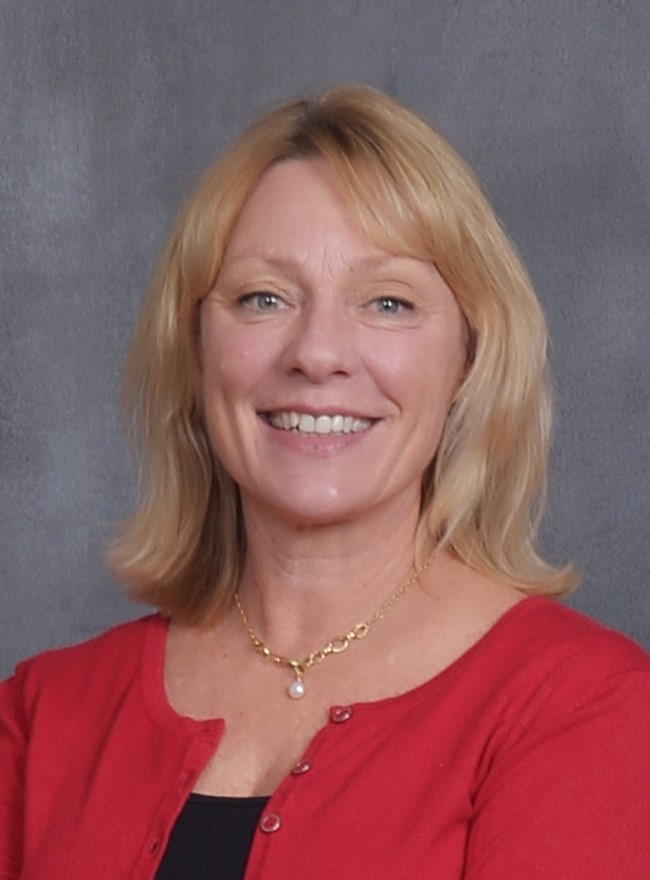
Visionary/CEO/Founder
Alisa’s passion is assisting small business owners in achieving success. As the proud owner of First Steps Financial for over a decade, she has effectively collaborated with business owners, providing expertise in tracking cash flow, streamlining processes, and organizing financials. Alisa firmly believes that every business owner can achieve success with the appropriate tools.