David Bush & Jeff Bush - From Barn to 8-Figure Exit: The Agency Scale Blueprint That Actually Works

Want to know how to scale your agency WITHOUT sacrificing your life or going broke?
David Bush sits down with his brother Jeff Bush — who went from working solo in a barn (next to his wife's horse) to building a $20 million agency and securing an 8-figure exit.
This isn't theory...
Jeff hired 1,000+ salespeople over his career. Built multiple agencies. And crushed it in a "dying" industry (direct mail) while everyone said it was dead.
Here's what you'll learn:
- How to break through revenue ceilings — The real reasons agencies get stuck at $1M, $3M, $5M+... and the exact shifts needed to punch through.
- The "right list" strategy — Why Jeff spent $10K/month on intelligence to find 2,000 perfect prospects (out of 100,000)... and how it exploded his revenue.
- Delegation secrets — How to stop doing $20/hour work when you're worth $100+ per hour (and why most agency owners sabotage themselves here).
- Premium pricing power — Jeff charged 20% MORE than competitors and still dominated. Learn how to justify premium rates and build unshakeable margins.
- LinkedIn as a revenue machine — How one LinkedIn message led to a $7 million client relationship (and why Jeff went from hating LinkedIn to building a business around it).
- The "Epiphany Threshold" for offers — Why your messaging is probably boring... and how to hit that sweet spot that makes prospects say "tell me more."
- Scaling with AI + automation — Why you DON'T need 20 salespeople anymore to hit 8 figures (and what to do instead).
Plus...
Jeff breaks down his Agency Growth Accelerator program — designed for agency owners ready to SCALE in 2026 with done-with-you support, accountability, and proven systems.
If you're tired of grinding with no growth...
Or you KNOW you should be bigger but can't break through...
This episode is your roadmap.
Hit play. Take notes. And let's build something massive together.
Jeff Bush 0:00
I'll tell you, a lot of people out there just selling too cheap because they can't really add value and justify getting a higher price and raise your prices. You know, that's always a thing. You've got to have good margin to grow and to make up for all the mistakes you're going to make and all the things that don't work. Having a budget for that that comes from high margins, I could throw money at something and and I can have three out of five fail and still be profitable. That's important.
David Bush 0:24
Welcome to the Business Builders playbook, the show that breaks down the systems and strategies behind Predictable Revenue Growth to win in business. In each episode, we're diving into the proven strategies that separate the winners who scale from the losers who fail. This show is sponsored by bdr.ai the AI powered business development platform that automates your outbound prospecting so you can focus in on closing deals instead of chasing leads. Let's get started. All right. Well, welcome everybody. My name is David bush with bdr.ai and today I'm thrilled to be joined by Jeff Bush, my brother and the co owner of bdr.ai Jeff has over three decades of experience in business development, has helped countless agencies and entrepreneurs to build predictable pipelines, strengthen their positioning and scale with structure instead of stress. And so in this session, Jeff is going to walk us through the key steps inside of his business builder playbook to show us exactly how he scaled his agency from the humble beginnings of working along in the barn with the horse next to him to a $40 million in annual revenue agency and an eight figure exit. So Jeff, thanks for being here. Yeah.
Jeff Bush 1:33
Thanks, Dave. Excited to talk and share Merry Christmas. Yeah.
David Bush 1:38
Merry Christmas to you, all of you, and happy holidays. We're excited to see this New Year kick off, and super excited about the opportunity to partner with agency owners who want to scale in the next 12 months. So Jeff, talk to us a little bit about your background and your story. What brought you to the point where you decided to open up your agency and kind of kick things off.
Jeff Bush 2:02
So 40 years in four minutes, I I had a son when I was in high school, and I was trying to go to college at night and kind of, you know, single dad kind of thing, and I'm 18 years old and and I just couldn't make it work. It was just too much. So I quit college, and I'm like, How can I make a lot of money without a college education? Well, I know there's money in sales. So I took a sales job at Auto Trader magazine, selling advertising, and then a year later, I took a different job selling direct mail, advertising, printing and mailing. When I was like, 20 years old, and I got up making like 10 grand a month in the 90s, I was young, and I'm like, wow, there's a lot of money in sales. I love advertising, I love data, I love writing, copy and and printing and marketing. It was just fascinating to me. So I really studied marketing. But then, you know, in my late 20s, I think I was 29 years old, and I was running a advertising agency that had 40 sales reps and four managers and a marketing team and kind of VP of Sales and Marketing, and we went from $500,000 to $40 million in sales, and I made 300 grand that year. I was 29 years old. That was good money in the 90s, still pretty decent money and but some of my clients were making $3 million a year, and I'm making 300,000 so it kind of hit me that I'll never make a ton of money unless I own my own company. And I can't do an ad agency because of my non compete and I didn't want to steal employees, so I opened a mortgage company and spent $200,000 a month on advertising to get up to doing 100 loans a month. So I became a buyer of advertising, and with my background of knowing how to do lead generation, some mortgage company made $3 million in 2006 so I hit my goal. It was a good move. And then 2007 the crash of the mortgage industry, I say, I went back to my day job. I took a year to recover from that horrible time in the mortgage business, 2007 and I opened up another direct mail advertising on my own in 2010 or 2011 so I had it for 10 years, and I went for me, just selling advertising in the barn by myself. I had 65 employees. We did 20 million in revenue. I made $4 million in 2020 so the biggest income year I ever had. And then I sold it, and it, when I sold it, the year after I sold it, it doubled to 40 million. I'm like, Ah, I sold it a year too early. That was kind of sad. But whatever timing's hard to sell your agency at the top of the market, kind of like real estate. You know, where will real estate be in a year? So that's my story, just a lifetime of sales marketing, both buying and selling and and an exit on a big agency and now buying bdr.ai, and using tech tools and LinkedIn and more digital marketing. I know we have a couple. I. Agencies on the call right now, and I'm curious. You know, ad agency such a broad term. What do you do? Do you do digital? Do you, you know, spend 10 grand a month on Instagram and charge them 15% agency fee, or 20% or are you TV, radio, billboards? I was direct mail. There's so many things. So agency is kind of a big word, but I understand it because I've worked with hundreds of agencies outsourcing or reselling my products, so I get the the ad world pretty good. So just curious, who, maybe
David Bush 5:32
you know, who? Yeah, Jordan, the chat let us know what it is that you do and for who we'd love to. What do you sell and who do you sell to? Right? Absolutely, as we're getting some of those responses into the chat. Let's talk a little bit more about some of the common ceilings that you see, that you saw in your own past. And then what are some of the common ceilings that agencies hit at different revenue levels? So you got the hit the ceiling of getting over seven figures, and then you've got the ceiling of getting to three and to five and seven and nine and 10 and so on. So what would you say are a couple of the ceilings that you encountered that others may be also kind of struggling with?
Jeff Bush 6:08
I talked to an ad agency yesterday that was trying to sell me SEO for our business, and it's the owner talking to me, and she does a million in revenue and makes 250 grand a year. Yay. Congratulations. She's had the agency 15 years. She couldn't grow it bigger than herself. So I think the biggest ceiling is trying to do everything. Be the sales rep, place in the ads, the operations, like agents. Ad agencies are no different than any other business. You have to figure out how to duplicate yourself. So my first year as a owner of an ad agency. I sold a million dollars worth of advertising, and I made 150 grand. It is a pretty good life. I could have kept it just like that and been relatively happy. But if I want to make $3 million a year and have something I could sell, I knew I had to duplicate. So what I did is I sold a million dollars in advertising. I'm like, if I want to do 10 million in revenue, I got to go teach 20 sales people how to sell $500,000 they probably won't sell a million. They won't work as hard as I work. So let's say they're half as good as me, you know, and they'll sell 500,000 a year. So I just did the math. I want to be a $10 million agency, make $2 million go hire 20 people, and then start, start, you know, advertising, selling, product development. That's kind of how I started. So as far as ceiling, I think it's mainly just a business. Ceiling. I don't want to be a real business. I want to be self employed. And maybe some of the ad agencies on the call today are doing 50 million in revenue and have 200 employees, I don't know, but the ceiling is usually the owner, you know, not setting goals to be a real business. Where this business grows without me duplicating yourself? It's more business advice than agency advice, you
David Bush 7:52
know, yeah, I would say that it probably could, you could probably put it into buckets, and there would be a motivation ceiling that some people just aren't that motivated to do the things that are required to scale, because there are going to be some difficulties and some risks associated. And then there's the mindset of, you know, having a fixed mindset of, you know, this is what I know, and this is the way it's always been, versus the growth mindset of saying, you know, what could it be, and what if it was different than I saw it? And then there's the skill set ceiling. So you got things that we just don't know, what we don't know, and then there's certain things that we know that just aren't so and then there's also the action aspect of doing the work that's required. Those are all things that we all have to struggle with. But what would you say are two or three questions that an agency owner right now should be asking to get answers to before they end up deciding to scale in the next year.
Jeff Bush 8:49
Well, what do I sell? And who do I sell to? That's a big question, right? And how can I refine that? You know, we I talk about this often. There's 100,000 mortgage companies in America, there's only 2000 of them that have ever bought direct mail. When I signed up for a tool that cost me $10,000 a month to find those 2000 mortgage companies that were doing direct mail, everything changed for me because my 20 sales reps were only calling the 2000 people that were 10 times more likely to buy my product. So I got to ignore the 98,000 mortgage companies that will never do direct mail advertising. So who do you sell, and what do you sell and who do you sell it to? I sold direct mail. I sell it to mortgage companies, but 98% of the market is not my market. So when I honed in on the 2000 that's when sales went from 5 million to 10 million to 20 million. So the right list at the right time with the right offer. I mean, that's kind of marketing in general, but I had to do it for myself.
David Bush 9:56
So if this show is resonating with you and you're ready to take action. You want to scale your business faster, smarter with more AI and technology and less labor. Check out. Bdr.ai, we help entrepreneurs and executive sales leaders to automate the grind of prospecting so you can focus your time on closing deals and growing revenue where you should be spending your time with AI powered data, digital outreach, automation and done for you. Prospecting systems, you'll connect with more qualified leads, book more appointments and build Predictable Revenue without adding more hours to your week or the week of your staff. Visit BDR today and discover how our AI prospect finder and digital BDR agents can help you to build your pipeline and your profits. Visit bdr.ai, where business builders learn how to automate and scale their playbook. So is it hard giving up those other options and really narrowing down to that smaller list? Because I would assume that there would be some perception that you know that's a much smaller list to go after, but you had the confidence to go all in and kind of bet the farm that that was going to be the thing that really pulled the best results.
Jeff Bush 11:08
What was hard is to spend $10,000 a month for the intelligence to go find those people. That was painful. Man, that was a lot of money. But it wasn't hard to get away from the 98% of customers that will never buy my product. That's just, I mean, I'm in direct marketing for God's sake, like that wasn't hard ignore the people that are probably not going to buy. And I think, you know, bigger is not always better, right? What's your market? You know? I mean, I ended up selling 1000 customers out of 2000 1000 I got a 50% market share on the buyers, and that was seven years and 20 people on the phone, outbound, calling, dialing, emailing LinkedIn to try to land appointments and land those customers. And I had five out of the top 10 mortgage companies in America, Quicken Loans, Rocket Mortgage Loan depot wiring me million dollars a month. It was crazy, you know. So, yeah, no, no regrets on that. Just you know, who do you sell, what do you sell to them? And in defining what do we sell and do we look like everybody else? So there's 50 direct mail companies just like me, selling to these same people. So we had to tweak our product and show up a little different our USP, unique selling proposition. Why are you guys different and God, why are you 20% more? I sold at a high price because I wanted to make money. I wasn't in business to bring in all this revenue. You know, when we did $40 million in revenue, we made $16.9 million to the bottom line because I sold at a high price. And that's not always easy to do. So anyways, it's not just about revenue. It's about, you know, income, right? Like this. I'm in business for personal income, not for revenue and and so that's setting goals. Where do you want to be? Revenue wise, profit wise. What do you want your life to look like? I did all this work in four days a week. I took three day weekends for the last 20 years. So 10 hours a day, four days a week, I don't work Fridays. I'm not a slave to this business. And anyways, I don't know if
David Bush 13:07
that you say that profitable revenue fixes everything, and a lot of the profitable revenue comes from, obviously, sales and margins on those sales. So what was the thing that really got you to the point where you said we're going to charge a premium, and we're going to create enough value that people are going to want to pay that premium price versus the lower price that was available to competitors. You remember it
Jeff Bush 13:32
all, and I was selling direct mail for $10,000 and all my competitors were at 8000 that extra $2,000 in gross profit made up for all the mistakes I made, the lawsuits, the HR issues, you know, growing the team, the meal and rest period, labor lawsuit, I mean, the attorneys. I mean, thank God I had that extra margin so that it could pay for just being in business in California. What a nightmare, right? Like just regulation, and so I knew that, you know, my my margins were 65% so my $10,000 selling price cost me 3500 bucks. I'm making $6,500 profit. That's hard to do. So sometimes the product has to be tweaked to make it different and to make it good and make it better. So when you spend more with me, you're going to get more. And that wasn't easy to do. I was always a work in progress, you know, but we built a lot of things onto our agency that were different from everyone else, so we had a differentiator factor. And I think that's important, you know?
David Bush 14:32
What was the thing that got you into the position where you felt more committed to delegating? Because I know that there's a lot of agency owners out there that are fearful of delegating something, because if it doesn't get done, well, then the client's unhappy, and then that it reflects on future business opportunities. So what got you to the point where you were you were willing to fail and allow other people to do it less than you before so that you could actually scale. Where you wanted to go?
Jeff Bush 15:02
Well, the year, I made $4 million I remember doing the math. I make $2,000 an hour. What'd you do for the last hour? Jeff, did you shuffle some papers? You know, build an Excel spreadsheet, go talk to a sale. I mean, it was just ridiculous when you make but that was at the very end. Let me back up to the beginning, when I was making $100 an hour. If I make $100 an hour working on sales activities to bring in revenue, to make more profit, if I'm doing $20 an hour work, shame on me. So I got real good at delegating. It was definitely one of my most successful traits that allowed me to be successful. As I delegated everything I am not doing $20 an hour work when I make $100 an hour, and I'm not doing $200 an hour work when I make $2,000 an hour, it was just very apparent to me, what are you doing? Like duplicate, duplicate, create another person. I know they're not going to be as good as me at it. I don't care. Think a lot of CEOs are very controlling, and they have a hard time giving up control, and I know I'm going to train all these people, and some are going to steal my clients, go into business against me. Happened to me multiple times. I don't care, I'm still going, I'm not going to stay small and do all the work myself just because I'm scared of creating competition, like it's going to happen anyway. So I think once I learned that, and I was on that mission. It just really helped drive my revenue growth, you know, 1,000,002 four, 810, 1215, 20, every year, growing, growing. And I'm selling direct mail, which is completely outdated. Everybody's like, direct mail, is that still a thing? Well, I don't know, quick and loan spent 100 million last year on direct mail. You want to call them and tell them they're making a mistake. It's like but it was a fading media. It was declining, and I built this business from zero to 20 million with a pretty mediocre product that was kind of fading and not that popular. It's just kind of crazy that we were able to do that, you know?
David Bush 16:59
So, yeah, yeah, let's just do the math real quick. Is if you were to take your current number of hours that you're working per week everybody, and you were to times that by the number of weeks in a year that you work, you'd have a total number of hours that you could divide into your annual income for the year. So what's your hourly rate? And what are you currently investing your time into, are you investing your time into things that are at or below that hourly rate, or are you investing time into the things that are twice the value of that rate? Because that's where Jeff, I think, is really talking about separating themselves and breaking through the barrier. He started spending time on higher value activities, and he also doubled down. He spent money to go out there and to seize the growth by finding the list. So, Jeff, you talk a lot about the list, the message and the offer as being such a valuable thing. So what should agency owners know about their prospect list and their messaging and their offer to scale their business.
Jeff Bush 18:02
I took a marketing class from a guy. I want to say his name is Alan Rosen span from Boston, and he was a creative copywriter, and he specialized in increasing the offer. And I think I spent five grand to sit there for the day. I'll never forget. He passed around a pencil to like, I don't know there's 25 people in the room tell me the benefits of this pencil. And the first five are like, Oh, you can write with it. Oh, good. It's got an eraser on it, you know, so stupid, right? But then it kept going. It's like, you can pencil fight with it and have some fun pencil fight. Dude, they he came up with 100 benefits of a pencil in in like an hour. And I'm like, that's incredible. He was just showing how making your offer better, and the 100 benefits of buying a pencil where but he thinks of five. So drilling down into what your offer really is now to make it better, and things that it'll do for people. Some of them are like, you can bite it when you're stressed out. I can't remember. It's like 25 years ago, but I'll never forget that it was a good seminar on creating benefit and the benefits of your product, because not everybody really thinks deep enough in that area. How do my clients benefit from my product? And how can I make it better? You know, there's always a way to make it better,
David Bush 19:18
yeah, and when it comes down to curating lists and getting the right people on the list. I mean, there's lots of different places to obtain third party data lists, and, you know, searching on LinkedIn, but finding the right people, because you can't say the wrong thing to the right people, and you can't say the right thing to the wrong people. So you invested in lists. But what would what advice would you give to an agency owner about improving the quality of their list in the new year, I
Jeff Bush 19:47
remember Dan Kennedy, the three legged stool was like, the right data, the right offer, and the right media, like, how do I go reach these people? Is it direct mail, email, you know, Facebook? Of television, right? It was really interesting. The three legged stool at marketing I was a student of Dan Kennedy Jay Abraham was kind of a marketing coach of mine that I spent a lot of money in reading his books and trying to grow it. And we're talking agency owners. They kind of know this right, the right list with the right offer. They're pretty familiar with this, but it's funny how we'll ignore it for our own business and stall our growth, because we're out there preaching it, but we're not doing it for ourselves. So restate that question, because I just went down the Dan Kennedy J Abraham road, and my mind just just spun say the question,
David Bush 20:34
finding their target audience, where would you recommend that they would go to get a better qualified list of candidates to source for their services.
Jeff Bush 20:43
So let's say that I specialize in selling software companies in San Francisco, the Bay Area, right? There's a few 1000 of them, and so my niche is software companies. There's 4000 companies in San Francisco. That's great. So a good list is really about good timing. The timing is more important than the list. You have a good list. Oh, all the companies in San Francisco, yeah, I got a list of them. You know, that's not good data. The good data would be, you know, out of 4000 people software companies, here's the 40 people that Googled last month. I'm looking for an ad agency. I want to go attack those 40 people. I don't want to go after 4000 just an example, right? Who's looking, you know, what signals are out there in the data. So I always say good data is good timing. And you know, I remember when I went into loan depot, one of my biggest clients, and you think about how this deal went down, we they said we want to go after veterans and get more VA loans. And there's 4 million veteran mortgages in America, like, well, we can go after all 4 million, and we'll go broke mailing to them, because it costs 60 cents to mail them a letter those 4 million, some of them haven't touched their mortgage in 20 years, so you don't want to mail those people. So we actually found, let me think of the numbers out of 4 million, there was 40,000 veterans a month filling out an online lead form saying, I want to refinance my mortgage. When I found that data, what is that 10% or 1% 10% would be 400,000 so yeah, it was 1% when I found the 40,000 veterans going online, filling out forms I want to refinance my mortgage, and I mailed those people did I had 10 times the response rate. It was insane. So that's a good example of good data, good timing. I remember I went into loan depot and said, Hey, all these people are trying to put solar on their roof, and the solar boom of like five, six years ago, 10 years ago. So if they're applying for a permit to put solar on their roof, it's a good time to offer them refinance to pay for the solar panels on the roof. So good data is good timing. They're raising their hand wanting to spend 40 grand on solar panels. Why don't we, instead of paying 10% interest to the solar company, why don't we offer them a 5% mortgage over 30 year amortization, it'll cut their solar payment from 500 a month down to $100 a month. So good data is good timing. I'm always looking for opportunities, and my clients appreciated that I was bringing them those ideas thinking outside the box. I don't know those are more client ideas, but man,
David Bush 23:25
you become a bigger fan of LinkedIn than you were when you owned your agency. Talk a little bit about that transition of how you saw the power of LinkedIn.
Jeff Bush 23:35
So 20 salespeople on the phone making 50 outbound calls a day. I was big on outbound calling, emailing, and we would mail physical packages, sometimes lumpy packages, so it really stood out. And we would mail a package. Actually, the best one I ever had is when I would mail a shoe and say, I'm trying to get my foot in the door. And I'll never forget the owner marketing CMO of DiTech got that shoe. Think they were Converse high tops. And she laughed. She thought that was so funny. She had that shoe on her desk for like, six months. This guy mailed me a shoe trying to get his foot in the door. And it was funny, just showing up different so we would direct mail, we'd call, we'd email, and a couple of my sales reps started using LinkedIn, and I'm like, LinkedIn, I don't know. It's just so spammy. I don't think it works. Don't do LinkedIn, you know. And one of my sales reps reached out to quicken loans, which is now Rocket Mortgage, and said something relevant on the message to the CMO of Rocket Mortgage. And I was exhibiting at a trade show that weekend in Vegas, and the CMO of Quicken said, Hey, I'm going to be in Vegas. So through LinkedIn, she booked an appointment. I fly to Vegas, I sit in a coffee shop next door to the conference. Talk to the CMO about why he should buy direct mail from us instead of their cheap vendor that they own in Michigan. And. Yeah, it opened up a conversation. We ended up getting a million dollar check out of out of a Rocket Mortgage. And I'm like, wow. Like, I can't ignore LinkedIn. And we had a couple other big clients where, hey, I remember Jim from Golden Oak mortgage in Missouri. He had 10 offices. My sales rep found out that he liked drinking Jack Daniels and she shipped a bottle of Jay I saw on LinkedIn. You went to this college. You love Jack Daniels. That opened up a conversation with him, where he spent a million dollars a year with me for seven years. My sales rep, $7 million made 10% commission. She made 700 grand off that one deal, and it was all because of LinkedIn. So that's when I stopped ignoring LinkedIn. Everybody you know LinkedIn on in addition to calling and emailing and mailing packages, LinkedIn became the fourth one, and it's funny. Now we own a LinkedIn marketing company, which is hilarious because I hated LinkedIn. I just wasn't big on social media and messages and but now we're seeing all this success with our clients. Just if we find the right list, make the right offer at the right time. I'm booking 20 demos a month using a product that cost me $500 and it's funny for me to do what bdr.ai does. Automation wise, I've done the math. It would take 100 hours of my time, 100 hours, or I could pay 500 bucks a month and get all this done and save me. So that goes back to the delegation return on time and money. I talked to a guy yesterday who had 7000 followers on LinkedIn, and I go, Hey, do you know who those people are? No idea. Maybe 700 of them are good. The rest are junk through the years that will never buy my product. I'm like, Well, what if we get a list of people that will buy your product and build 7000 new connections, of people likely to buy your product. So when you post on LinkedIn, at least the right people are seeing your message, and when they respond, they'll onboard as a client. You'll make a lot of money. It's 500 bucks a month. Like, kind of a no brainer.
David Bush 27:02
So anyways, yeah, just the idea of taking your LinkedIn connections and prioritizing them and organizing them so that you have a list of your clients, a list of your vendors, a list of your prospects, a list of your referral partners that might be you know, people that collaborate with you, and being able to have structured messaging to them with an irresistible offer, and then being able to target posts LinkedIn events, groups, or using some of the search filters in basic search on LinkedIn or on Sales Navigator, that's a very simple strategy to source a better list. And then once you've got that good, solid list, if you need to augment it with third party premium data. That's another service that we can provide, but that in itself, would be step one. Step two would be developing that messaging sequence that would really end up helping you to build a relationship and connect people. And back in the day, you had to hire a staff of 20 sales people. Now you don't have to add to your seat count to scale your agency, you can just simply leverage technology. So to maybe talk a little bit more about what it was like for you to scale with a large sales team, to actually scaling with a smaller sales team, but using more automation and AI and technology,
Jeff Bush 28:19
well, I would pay sales reps minimum wage based salaries. Back in the day, I don't know, California, 1516, now it's what 1675, an hour. So I'm paying a $30,000 base plus commissions and big commissions. And I had sales reps make 500 grand, a million. My top sales rep, i w2 them for $3.2 million in 2021 so I paid big fat commissions to go land big customers happy, and he was on a minimum wage based salary. So I think about okay, $30,000 to onboard a sales rep, if I can get a LinkedIn license for six grand a year, 500 bucks a month, and that BDR, LinkedIn, AI license can book me 20 demos. Why would I pay a sales rep 30 grand to get me sales reps not giving me 20 demos a month? So it's not like the answer to everything. You still need sales reps and but you probably need less of them, you know, I don't and then managing all those crazies, right? I mean, I've hired 1000 sales people, drugs and alcohol. You know, this one's dating this one in the office. I mean, all, I'd love to have less of that. I mean, I've hired 1000 sales people over 30 years, and it's just I still got a little PTSD for but, you know, all the craziness and the crazier they are, the better they sell. So, you know, it's, it was a lot of work to manage a sales team and keep them on the straight and narrow and don't lie to customers and, you know, whatever, so that that was all part of it.
David Bush 29:49
Yeah, well, as we get into the concept of sales, I mean, that's another aspect, and I know that a lot of the agency owners that we've had conversations with, is that sometimes. They're so busy working in the business that they don't necessarily have the time to work on the business and building out the sales process and the system so that they can duplicate or just bringing on an additional sales person, is a challenge. So how did you do it? How did you go from being an individual solopreneur to being a team of 20 sales people, and what was the process that you took to start moving in that direction?
Jeff Bush 30:27
Well, that first year my I own my agency, right? I mean, got to go get a building. You know, I'm in my barn, right, with my wife's horse next to me, and that horse just died last week. She was 29 years old. And I remember being in that barn with that horse who's kicking this stall and making noise, and people like, what's that noise in the background? It's my horse. But, you know, you do what you got to do. I that that mortgage company, you know, going for making 3 million a year to losing money, was brutal, right? I had to start over. It was tough and bringing back some memories. But anyways, go get a building and run an ad and start hiring sales people. Look, I sold a million dollars. You could make 150,000 a year working here, and you've been making 75 grand. Let me show you how to double your income. And you know, I hire five people, and one quits, and one's an idiot, and I fire them, and I net out three. And then, you know, three months later, I hire five more, and I fire one, and one quits, and I net out three, and then all of a sudden, one of my sales reps, I end up, you know, luck, right? Just I'm hiring a lot of sales people, luck, part time comedian, 35 years old. Lived with his mom and dad. It was a weird setup, and all of a sudden he comes in, starts selling double what I was selling. I'm like, Ooh, I found a winner outbound, just an animal, just tenacious and and so now I found the first sales rep that's better than me, and that sales rep sold. I sold a million dollars worth of direct mail one year, and I was pretty proud of that. He sold 20 million, $20 million at 15% commission, $3 million in commission. It was insane. So I started finding people that were better than me, and just coaching them, helping them. And, you know, and so one, sales rep, three, 610, 20. You know, I think I ended at 20. And today it probably I wouldn't need 20, with all the AI tools and stuff, maybe I only need 10, you know, but SDRs, BDRs, I don't know. We used to call them sales reps. I don't know what happened. You know, used to be salesmen. Then it was sales people, right? Men, women, and now it's all BDR, SDR, all these new terms for the same thing. You got people on the phone out trying to get business and B to B. I'm guessing all these ad agencies on this call right now are B to B. They're selling customers on doing advertising with them so they can make a profit and deliver a result. So, you know, it's just a matter of I had a goal. I knew how many sales people I needed to hit the revenue goal, and I just do that, but I'm working on the product, and then marketing. You know, it's like, I heard the best definition I've ever heard for marketing a few years ago, and I was surprised. It took 30 years to hear it, but they go Jeff, marketing, the definition of marketing is it makes it easier to sell. And I'm like, wow, wow, that's so true. Marketing makes it easier to sell. There's no other role for it, branding. Oh, that's great, building your name brand, record, all that, but marketing just makes it easy to easier to sell. So if I do good marketing, my sales people are selling $100,000 versus 10,000 because the leads are coming in, more qualified, more interested, more educated, you know, and everything in marketing ad agency comes down to that now, branding and and stories and, you know, all the things that we have to work on in the back end. But I think sometimes people get so enamored with marketing they think it's more important than sales. It's not, it's not. There's a reason. Sales people make 200 grand a year and marketing people make 100 it's twice as valuable. For someone who can go out and get a deal and bring it in, bringing in revenue is hard, and so I paid the sales people a lot of money to go do that and just hiring good people. And you know, after hiring 1000 sales people at three different companies I got pretty good at who's going to be a winner, you know? And I would pick winners 70% of the time instead of 50% so it made it a little easier still. You never know, right? Everybody is a sales person in an interview, but, you know, bringing on sales reps to sell your product and showing them a path to where they can make a good income. Super important quotas, recognition. The whole deal running a sales team is, you know, it's a job,
David Bush 34:46
yeah, well, moving from solopreneur to being entrepreneur requires having a staff, and nowadays you can outsource so much. Would you recommend a organization outsource? Uh, to get started maybe outsourcing a BDR type of role so that they could end up focusing in on just working with the highest quality people and not having to necessarily go out there and do a lot of the business development.
Jeff Bush 35:15
I talked to an ad agency in New Jersey yesterday, and forget what he said when I was talking about, hey, let me connect you to 3000 new people on LinkedIn and book some meetings for you. Book demos. And he's like, Oh, we only worked by referral. I'm like, Oh, that's great. How many referrals did you get last year? Oh, 10. And, you know, they spent 500 grand. So my agency went from a million to 1,000,005 I'm like, Oh, congratulations. You only work by referrals. Why don't you just go get 1000 more? Oh, you can't. You ran out of referrals. Time to do marketing. I'm trying to introduce you to people. And it's funny, because he was in the sports world of baseball, and we were talking about my client, loan depot, who just renamed the stadium Miami to the Marlins. They renamed the stadium loan depot stadium. And I've got clients that are in baseball and spending money on marketing, and he just couldn't see the value in being introduced to big clients that are in his vertical. He's just going to stay small and work by referral, because maybe he doesn't want to sell, he doesn't want to build rapport. Not everybody likes sales. I don't know how many people really do like it, because it's hard build rapport, you know, build value, close the sale, ask for the business. Not everybody wants to do that. So I get that. If you're happy where you're at and you're signing up for slow growth, stay on slow growth. I mean, if you're happy with that, I'm not going to knock it. But I was not on board for slow growth. I had to double revenue every year for 10 years in a row to get the big exit that I wanted. So I was just doing a lot of marketing, trying a lot of things.
David Bush 36:50
Were some of the rewards that were motivators for you to be able to scale? Because obviously you had to make some sacrifices, and we'll share those in just a moment. But what were some of the rewards that drove you to do some of the things that were hard and risky to get to where you got to. I mean,
Jeff Bush 37:08
I went into business not because I had so much fun with it. I got into business to make money. So you start getting a paycheck where you're like, wow, I made $300,000 this month. Yeah, I can go buy a new Porsche and pay cash. I mean, that was motivation for me, was the money. I mean, I'm super money motivated, and that's why I got into business. It wasn't to have friends or or have a bunch of respect or tell everyone I'm a business owner. It was like, I want to make money. So the reward usually was financial. I mean, there was another reward take 20 sales people that all made 80 grand a year, and watch them go make 200,500 1,000,003 point 2 million. There's a lot of reward in growing people and seeing them make more money, seeing them buy houses and pay cash for cars. That was a huge reward. Of that wasn't so much, but as they were making money, I was making money, you know, if they're making a million and I'm making a million, great, you know, so I'm rewarding. I don't know that would be probably my biggest answer to that question. I'm sure there's other rewards, but it wasn't about the name on the door or, I don't know, I just didn't care that much about that stuff. I had a goal to build a company and sell it and put a bunch of money in the bank and live a big lifestyle, and I accomplished that goal. So it wasn't, I don't know that's the biggest reward is just I call the P and L at the end of the month, is my report card, and I was a C student, so I'm constantly getting bad report cards and feeling bad about it, but when I got 300 grand net profit on what would that be? Maybe, you know, 2 million and or 1,000,005 in revenue. I'm like, good job, Jeff. You know, you did good you know, like that was just fun for me, and seeing it grow all every month and get bigger, you know, how big can I take this thing? You know? So, yeah, I don't
David Bush 38:55
know about you, from a capacity standpoint, my my math skills weren't all that great until I started putting dollar dollar signs in front of the numbers, and then it became a lot more exciting. And I think that there was level of competency, there was a level of self confidence. You know, I don't know about what it's been like for you to be able to have that on your resume that you built a business to 40 million in revenue and had an eight figure exit, but it kind of shows capacity of what you're capable of. And if that excites you to go out there and, you know, swing for the fences and hit home runs and have opportunities that fulfill your full potential, it's kind of exciting to be able to see what you're capable of. And you know, neither one of us were great academic students, but we turned businesses into success that made us feel more self confident, and our self esteem and all those things. It was like, you know, when you're not an academic growing up in high school, you're kind of looked down upon as like, yeah, you're not a good student. But you know, like this, the book says Robert Kiyosaki, you know, a students work for C students, and. Students work for the government, we were able to have, you know, a lot of impact and influence. You employed 65 people in your organization, your last organization, and that fed a lot of families and made a lot of impact. And even though that wasn't your main driver, I'm sure it was rewarding to be able to see that people built careers. I mean, you w2 to sales person, $3.2 million that was previously insurance salesperson that was making maybe less than 100,000 and working as a comedian, that's a pretty cool thing, to be able to be part of his story. So lot more reasons, I think, that are just beyond money for all of us, but for you, money was that driver and you attained it. So let's talk a little bit more about scorecards and metrics. What should agency owners be looking at on a daily, weekly, monthly basis to measure their progress and scaling?
Jeff Bush 40:54
Well, I mean, I think it just helps to have a goal. What is your revenue goal for? For 2026 you know, did you do 5 million in revenue and make 500 grand? And you want to get to 10 million and make 1,000,005 it's good to have a goal, a one year goal, a five year goal. I never did pass five years. I was like, that's pretty far out. I remember I had set a goal for 50 million in revenue in five years. And, you know, we got to 20 million. I sold the company, and then we doubled to 40. I almost hit that, you know. So, a big, you know, B hag, a big, hairy, audacious goal, all these. So having a goal and starting there and then working backwards, how am I going to get there? What is my average client spend per month, per year, lifetime, value. How am I going to build this bigger? Not to say I want to sell a company, maybe they want to keep it or maybe they want to turn it over to their children, right? Whether the children want it or not, right? That's a whole nother thing. None of my kids are like dad works too hard. I don't want to do that ad agency, so I sold mine. But I think, you know, once you start figuring out your revenue goal and you work backwards into it, what is the average client spend, and how many sales people do I need? I got to start building this company. And I have to build it from, you know, three employees to 65 to keep up with operations. Say I had five managers. Count the money. Who's going to do the bookkeeping? I don't want to do that. HR. I mean, you know, so you have to have some goals for for headcount and revenue, and then you got to monitor every week, every month. Okay, if we have to bring in 100 new clients in 2026 to double our agency, how many sales reps do I need to bring in 100 clients? And what are they doing every week? Are they reaching out LinkedIn, phone calls, emails, personal visits, mailing stuff, so watching the activity. So I have a we have a scorecard that monitors activity of how much they're doing to hold them accountable every week to hit our goals. Hey, you have a goal of going from 60 grand a year your income to 120 here's what you have to do to get your income. So if I help you manage your time and activity level to hitting these results, I'm going to hit my goals, you know?
David Bush 43:10
Yeah, well, I know that we're coming up here almost on the hour, and I wanted to be able to share a little bit more about the agency growth accelerator program that we put together. But if you were to give the people that are watching this video, five to six different things that they could do over the next 90 days to 12 months that would lead to predictable growth in their agency and help them scale what would be in chronological order, like, here's the first thing I would do, and then here's the second thing I would do, and give us five or six things that we could walk away with from the day and put into action.
Jeff Bush 43:47
Well, number one, set a goal for where you want to go next year. That's number one, right? And most people probably have a goal of how big they want or how much they want to grow. And then number two, probably setting goals for your team and holding them accountable for the activity that it takes to get to that goal. So holding people accountable, whether that's a scorecard or weekly meeting, and, you know, managing employees in and out. I mean, I had 65 employees. I probably hired 200 so I fired 140 people over 10 years. You know, they're like, Jeff, what's your attrition for sales people? I'm like, I don't know. I hire, I have 20 salespeople. I probably hired 40 to get there. So what is that? 50% they're gone because I'm holding them accountable. And most people don't want to work. So I got to, you know, so revenue goal, setting goals for your team, and then holding them accountable in some fashion, whether that's a scorecard or weekly meetings. You know, accountability just seems like everything in building a business, right? You know, sometimes it's product development. Hey, what new products Are you launching that could really help make your company more desirable to do business with? You know. Or maybe fine tune your list and fine tune your offer a little bit like, you know, take a half a day and go into a hotel room and sit down and say, Why do my clients do business with me? You know, I don't think most people know. They think they know. And then you go talk to 100 of their clients and they're like, Oh, I do business with them because of this. And it's something totally different. And knowing your unique selling proposition, and working on your USP, you know, those are probably top four. You know, what? What can I improve to my product, to make my company more attractive? You know, what new things could I launch? You know, that would be high up there for me. You know, financially, hopefully you have a good finances. You can look at revenue margin. I'll tell you, a lot of people out there just selling too cheap because they can't really add value and justify getting a higher price and raise your prices. You know, that's always a thing. Raise your prices. You know, you've got to have good margin to grow and to make up for all the mistakes you're going to make and all the things that don't work. I was always working on five marketing strategies, and three of them failed, and two of them won. And I swear, I thought all five were good, but I'm failing forward every month try and lead gen marketing or Facebook, Instagram, LinkedIn, YouTube, all the social, radio, telemarketing. I mean, I'm doing everything because I don't know what's going to really work, you know, so, um, failing forward and being okay with it, having a budget for that that comes from high margins, I could throw money at something and and I can have three out of five fail and still be profitable. That's important.
David Bush 46:40
Absolutely, I know that this is the opportunity for us to be able to tell a little bit more about what it is that we're putting together for a select group and an exclusive group of agency owners that would like to scale and would like to have a partner, somebody that's done it, somebody that's walked in that process and actually climbed the mountain, and you've been working on putting together a book and having all of this step by step playbook put together. Obviously, you wanted to be able to share your journey and the successes that you've had, and give people more of a playbook that they could leverage and kind of guide them on the journey, even though their journey may not be the same as yours, or the destination may not be the same. A lot of the steps that are required to get to a higher level are very similar. So talk a little bit about the idea of what it means to put your playbook into writing and then to be able to partner with other agency owners that maybe are the same, Jeff Bush, maybe 20 years ago, where they're kind of in this position where they're saying, hey, I want something more. I want something bigger. I want something better. I want to be able to have a bigger exit. I want to be able to, you know, leverage something that is maybe an asset. You know, when I want to leave it to my kids, something of those long along those lines.
Jeff Bush 47:57
Well, I would say the most important playbook for me to share would be how I built a sales team and how I did my marketing lead gen to go get leads, warm leads to my sales reps to help them. Marketing makes it easier to sell. I did some good marketing to generate some leads, and I sold 1000 customers, you know, over about a seven year period, and then they all started ordering more because my product worked. So my customers got bigger, which was amazing. But how did we go out and cold call, email, LinkedIn, direct mail to go get 1000 new customers for a company that no one had ever heard of before? No branding. My company name was overflow. Try to put you in the overflow on calls and leads. And so how I went about doing that was just hiring sales people and marketing if somebody's really ready to grow. I think those two things are pretty crucial. That that would be the key is, here's how I did outbound marketing to go win more appointments and close more business, you know.
David Bush 48:59
And I did put the link into the chat to the agency growth accelerator page that has more information. This is going to be by application only, and it's going to be exclusive to the first few people that get registered and who move forward with it. But what we're going to do in the next 12 months is we're going to partner with you in kind of a done with you business development system, so you're going to get a chance to walk through with guidance and support, and we're going to give you a whole bunch of tools and resources, lots of guidance and support. And it's really for those agency owners that are saying, You know what? I know that I need to do something different, but I'm not really sure exactly what to do, or maybe I know what to do, but I'm just not taking the steps. So having some accountability, having some guidance, having some support, will definitely be something that could give you to that next level. So inside the agency, growth accelerator, we're going to give you access to 6000 target market profiles of pre qualified prospects that match your ICP and giving you the best chance. Of having great success with those individuals when you reach out to them. We're going to give you an optimized LinkedIn profile if you don't have one already. We're going to show you some of the things that we've learned. To get more people chasing the boat right, get more fish chasing the boat, versus out there trying to chase the fish, which doesn't always succeed, and it's very, very hard and a lot of work. We're going to show you some things that we've learned to be successful with building up that profile so that you get the best chances of success when somebody lands on your connection request or lands on your page. We're going to give you access to our AI digital outreach agent, automated system that combines digital outreach automation using LinkedIn actions, LinkedIn messages and email, and then doing personal connection touch points, either through you or through a virtual assistant that you assign to that individual task. And we're going to show you our best cadences, something that's pulled very good results for other clients and other agency owners, we're going to do a hosted webinar with you, so you're going to get a chance to be featured as an expert to your target audience. We're going to have an expert moderator that's going to be asking you seven to 10 questions, positioning you as the expert in your particular industry. Do all the events, set up registration page, give you the registration list, the attendee list, and then build out the whole process for invite reminders, follow ups, as well as giving you some video clips that you can post on social media to gain credibility, trust and authority with the target market, we're going to create a custom lead magnet that's going to be 15 page, professionally designed PDF document that's going to be able to display your expertise, your value proposition, your offer, unique value proposition, selling proposition, whatever you want to call it, really helping to showcase you and all the things that you bring to the marketplace. And that tool is going to be a great lead generator for your website, your outbound marketing, your emails, as well as many more opportunities from ongoing evergreen marketing, we have an online university school platform where we put together a lot of content and video courses, tutorials and community so we'll get you access to all of that. And then we're also going to do weekly power hour sessions where you or your staff can come together and learn best practices to enhance and scale their agency and to grow their opportunities. And then we're going to do monthly coaching calls talking about how you have progressed, what's been the reasonable progress that you've made over the period of time since the last time we had the conversation. So if you're looking for more accountability, you're looking for some structure. You're looking for support. This is what we are promising as a part of this particular agency growth accelerator program. The cost is very nominal compared to other programs out there, and we're doing this as a limited time offer. That's not something that we're going to offer ongoing at the same price point for all agency owners. But to kick off this opportunity to launch the book, you can basically go in there and reserve your spot by just filling out the registration form and letting us know that this is something that you're interested in. And we can provide more case studies, personal testimonials, recommendations by others that have leveraged what it is that we're doing at upon request, and there's lots of other stuff on our website. So Jeff, any final comments or other ideas that you'd like to share with those agency owners that are watching this video right now?
Jeff Bush 53:33
I mean, book 30 minutes on my calendar, right? Let's talk specifically about I mean, I don't think anybody answered the question of, what do they sell? Who do they sell to? I'm just curious. What kind of agency Are you a digital, you know, print media, broadcast, you know, I'd love to meet with some of these people and not hard sell them anything. Obviously, we've got a little tool we sell that we're pretty excited about, that's booking a lot of meetings and bringing on a lot of new clients. Bros. So yeah, we'll share that with them. But just a meet and greet, you know, sounds a little bit more like, you know, a little coaching program from, you know, somebody that's done it and, and, you know, there's a lot of ways to do it. Obviously, mine's not the only way, but mine worked for me. So if there's something that you could take out of it, I just love talking to other business owners, especially if they're selling advertising, right? That's kind of my sweet spot. Spent 30 years, you know, doing it 20 out of 30. So I just say, book a meeting, you know, let's talk. Let's just do a 30 minute quick zoom and see if there's something there, you know, almost to make it worth their while. And, you know, go from there.
David Bush 54:38
Yeah, go ahead and fill out the interest form on the agency growth accelerator page that's included with this video, and I did put the link into Jeff's calendar if, for those of you that are with us live, if you want to go in there and book an appointment, we'd love to be able to have a conversation with you. Anyone that shows interest in the agency growth accelerator program is going to get access. Us to a quick conversation with Jeff 30 minutes, just to learn more about the program and learn more about your goals and to see if it's a good fit for you. And then, yeah, looking forward to being able to scale with all of you in 2026 whether you join our program or whether you're just a friend or a connection on LinkedIn, we hope that this has been added value to you. We'd love to get you a copy of the book when it becomes available. So if you'd like a copy of that, please reach out to us@bdr.ai and we'd be happy to ship off a copy to you when those are published. So Jeff, thanks for the time today. Everybody. Appreciate everybody being here, and look forward to talking to you all soon. Thanks, Dave, thanks for tuning in to the Business Builders playbook. If this episode gave you some plays that you can start running in your business today, hit subscribe and share with another revenue leader who's tired of the pipeline grind building Predictable Revenue isn't something you figure out alone. Whether you're looking to automate your prospecting with bdr.ai, or you just want to talk through the growth challenges you're facing, reach out. We help business leaders just like you to build systems that actually scale. And if you're ready to stop being your company's Highest Paid Prospector, let's have a conversation. Reach out to us@bdr.ai until next time, let's keep building You. You.
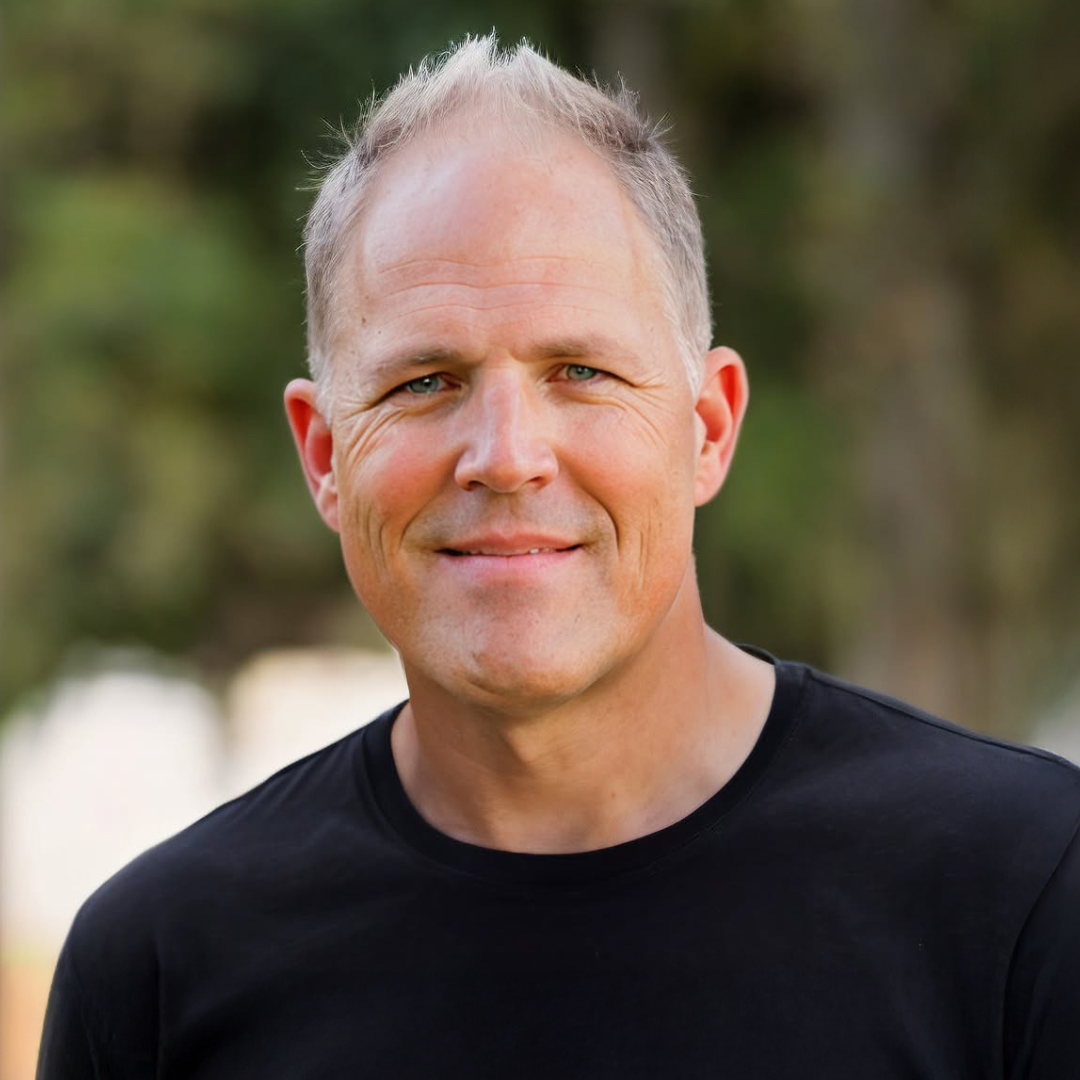
Business Development Automation Expert
WHAT I DO:
👋 I partner with B2B business owners, coaches, consultants and executive sales leaders to optimize and expand their business development efforts by combining decades of business growth expertise with cutting-edge AI technology.
We provide premium B2B data, AI-powered digital outreach sequences, high-converting lead magnets, lead generation tools, and digital dialing solutions to accelerate outbound outreach.
🔑 WHAT I CAN HELP YOU ACHIEVE:
✅ Increase Sales & Revenue with cutting-edge tech tools, AI BDRs & AI solutions
✅ Automate & Scale Your Business
✅ Create Irresistible Offers
✅ Optimize Your Mindset & Motivation
✅ Increase Productivity & Performance
✅ Build a Sustainable Business
🌟 WHY WORK WITH ME?
🤖Whether you’re looking to fine-tune your use of AI strategies, automate lead generation, or grow sales, I can assist you!
🔹 Entrepreneurial Expertise – I have personal experience in 2-10x sales/profit to get you to the next level.
🔹 Proven Track Record – I’ve assisted hundreds of business owners and sales leaders to achieve extraordinary results in sales, revenue, and business growth.
🔹 Author & Speaker – I’ve written two books and delivered transformative talks to entrepreneurs and executive sales leaders.
📖 MY STORY🏈
As a former professional football player and collegiate All-Conference Offensive Center and Captain, I learned the importance of discipline, teamwork, and dreaming big.
My career highlights include:
🏆 P…Read More

Owner & Investor | Strategic Business Consulting
Throughout my career, I’ve often been seen as an informal "Chief Revenue and Profit Officer" for many of my clients who want to drive business development growth and lead generation. My expertise in scaling businesses, driving high quality lead generation, boosting profits, and creating operational efficiencies has helped countless entrepreneurs and high-level sales leaders achieve their goals faster than they ever imagined.
From growing a B2B advertising agency from $500K to $40M in revenue in just over seven years, to building a mortgage and title company from the ground up to $12M in annual revenue, my track record speaks to my commitment and ability to turn potential into performance.
With 30 years of experience in business development and lead generation, I’ve built and scaled multiple successful ventures in both B2B and B2C markets. Most recently, I acquired BDR.ai, a cutting-edge platform designed to revolutionize the way small business owners and top sales leaders engage with their markets. This acquisition marks a pivotal shift in my career as I dive deeper into the digital world of AI and done-for-you services, offering innovative solutions that drive exponential growth.
If you’re a growth-minded entrepreneur and/or top sales leader looking to scale your business development, revenue and maximize your profits, I invite you to take the next step and schedule a conversation with me.